By: Alex Mercer – SeaPRwire – Divers still glance at their wrists a dozen times per dive. That habit is the real problem. AREX is bringing an AI-powered augmented reality mask to IFA Berlin on 3 September 2026. The device folds a full dive computer into the mask itself. Critical numbers appear in the natural field of view. Depth, no-decompression limits, and dive status stay visible without a head tilt. The interruption shrinks. Attention stays on the water and the dive partner. That is the core claim, and it is worth examining closely.
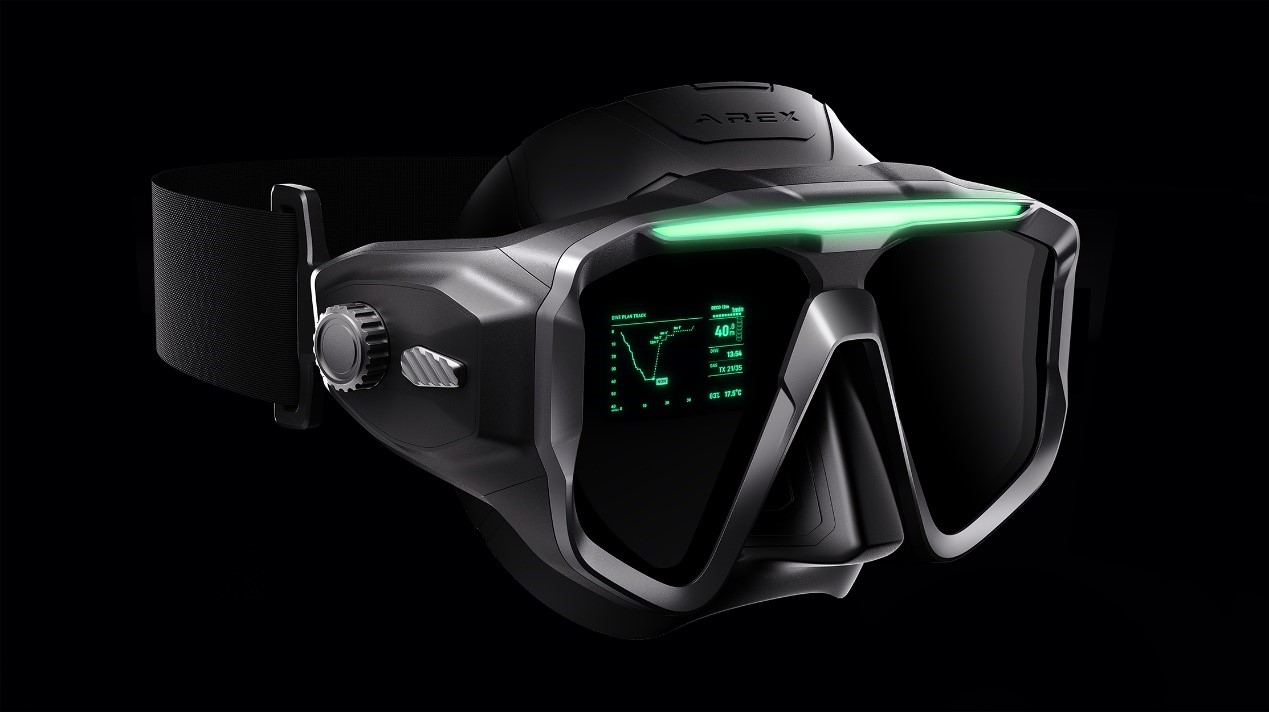
Official details are clear and limited. The mask works across recreational dives, low-visibility conditions, technical diving, caves, and expeditions. It handles Air, Nitrox, Trimix, and closed-circuit rebreather setups. The decompression model is ZHL-16C with Gradient Factors. Controls are mechanical and designed so the diver never has to look away from the environment. Beyond the base computer functions, optional modules exist. A TX Pressure Pod feeds real-time tank pressure. A Sync Dive Torch tracks the diver’s field of view. An AI Marine ID Scanner uses onboard vision to name marine life in real time. The team states they refused to drop another screen underwater. They wanted to change how divers interact with information from the start. Hardware and software are still being refined through actual dives and diver feedback. Visitors at IFA Berlin 2026 will see the latest prototype in person.
What sits behind those facts is the quiet friction every experienced diver knows. Wrist computers force a break in situational awareness. In a cave or a low-vis wreck that break can cost seconds of orientation. AREX bets that putting the data inside the mask removes that break. The mechanical controls matter here. Touchscreens fail with thick gloves or cold hands. Physical buttons keep the eyes forward. The optional modules extend the same logic. Pressure data arrives without a second glance at a transmitter. The torch follows the gaze instead of requiring a separate hand. The marine ID feature turns a moment of curiosity into an instant label. None of this is science fiction. It is a set of practical reductions in the small tasks that currently pull attention away from the dive itself. The company is still in the testing phase. Real-world refinement continues. That honesty keeps the claim grounded.
The practical test is simple. If the mask delivers stable overlays without fogging, lag, or battery drama, divers who currently accept wrist checks as normal will start questioning that habit. The first units will face the usual early-adopter scrutiny on reliability and price. Yet the direction is already visible. Information belongs in the field of view, not on the wrist. That shift, once proven, will force every other dive-computer maker to respond or lose relevance among technical and expedition users. For now the next concrete step is the prototype on the IFA floor. Go see it if you are there. The rest will be decided in the water, not in the press release.
Author bio: Alex Mercer, a Silicon Valley-based technical director and hardware analyst who has spent years evaluating wearable systems and underwater electronics for major tech firms.