By: Alistair Kroon – SeaPRwire – The leak lands with the usual mix of urgency and deniability. Israeli sources claim Netanyahu has been on repeated calls with Trump, pushing for a large-scale joint strike on Iran before the October 27 Knesset vote and the November 3 midterms. The timing is not accidental. It sits right between two domestic political deadlines. That is the first thing any serious observer notices.
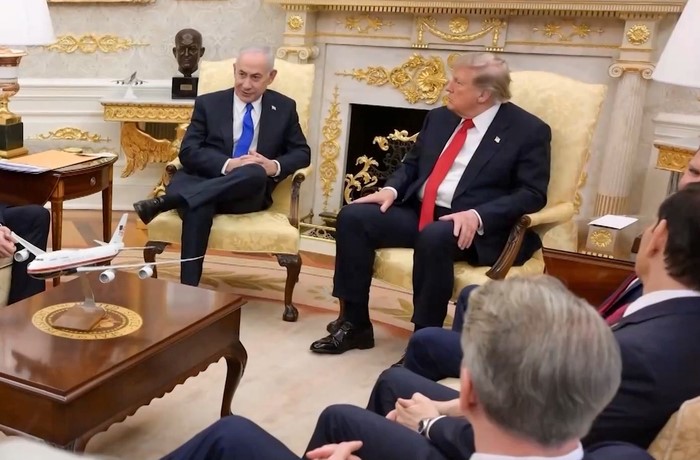
Official statements stay carefully empty. The Israeli Prime Minister’s Office says only that Netanyahu keeps routine contact with Trump and senior American officials. It refuses to discuss the content of those talks. The White House declines all comment. On the other side of the ledger sit the details that surfaced. Informed sources say Netanyahu cites “worrying new steps” by Iran in the nuclear field as the reason to act. U.S. senior officials report that Trump told the relevant departments to “advance and prepare.” Yet those same officials add that Washington has given Israel no substantive commitment. Trump himself said earlier that he would not attack Iran before the midterms. The gap between the public refusal and the private instruction to prepare is the real story.
Inside both capitals the picture is split. Different camps in Israel and in the United States hold different views on whether to restart joint military action. Mediators in Qatar and elsewhere continue to wait for Iran’s answer to the latest American negotiation proposal. None of that changes the calendar. The Israeli election is two weeks away. The American midterms follow shortly after. Any decision taken between those dates carries immediate political weight at home. Netanyahu’s reported push uses the nuclear concern as leverage. Trump’s reported order to prepare keeps the option open without locking the United States into a public promise. The denials from both offices leave the space open for further private discussion.
The pendulum is still swinging. Public statements buy time. Private instructions keep forces and planners ready. Mediators keep waiting for an Iranian reply that may or may not arrive. Between the two election dates the pressure remains real. The next move will show whether preparation turns into action or stays on the shelf.
Author bio: Alistair Kroon, a veteran geopolitical commentator whose columns on Middle East strategy appear regularly in major international newspapers.