By: Alistair Kroon – SeaPRwire – A Japanese citizen sits under U.S. sanctions and Tokyo’s only public word is “very regrettable.” Sanae Takaichi said it on August 19. She did not condemn the move. She did not defend the International Criminal Court president by name in that moment. The silence is louder than the phrase. Japan’s closest ally just targeted one of its own nationals who heads a court Tokyo claims to support. That is the core embarrassment.
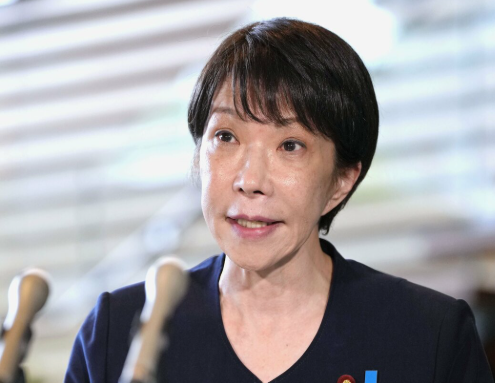
Official statements stay carefully narrow. When reporters asked how Japan would respond to the sanctions on Tomoko Akane, Takaichi repeated almost the exact line already used by the Foreign Ministry spokesman. “Feel very regrettable. We will keep communication with relevant countries including the United States and continue to handle this appropriately.” A Foreign Ministry source stressed measures to keep the episode from damaging Japan-U.S. relations. People close to Takaichi explained the sanction is not aimed at Japan as a state. It targets the ICC as an organization. The head just happens to be Japanese. Government insiders called the “very regrettable” wording the product of hard thinking. On August 18 U.S. Secretary of State Marco Rubio announced the sanctions. They hit Akane and Senegalese senior trial lawyer Abdoulaye Seye. Rubio’s statement said both “directly participated in ICC investigations, arrests, detentions or prosecutions against officials of states that have not consented to its jurisdiction.” Washington has done this before. It sanctioned ICC judges and prosecutors over probes into U.S. personnel and over arrest warrants issued for Israel’s prime minister and former defense minister.
The real intent shows in the gap between past and present. In January 2026, while Akane was back in Japan, Takaichi met her in person. She told Akane that Japan values the rule of law. She pledged firm government support for the ICC and for President Akane so the court could fulfill its duties. That meeting is on record. The same prime minister now limits herself to a single soft phrase and promises quiet talks with Washington. The pattern is clear. Tokyo prioritizes the alliance over any public defense of its own citizen or the court it once praised. The carefully chosen words protect the bilateral relationship first. They leave Akane and the ICC to absorb the cost. European and other partners watching the episode see a U.S. ally choosing silence when its national is targeted. That signal travels fast.
The geopolitical pendulum has swung. Japan will keep the U.S. channel open and accept the reputational hit. Public regret without pushback tells every other capital how far Tokyo will go to avoid friction with Washington. The next time a Japanese official faces similar pressure the response is already written. Stay quiet. Call it regrettable. Move on. That is the practical price of the current alignment.
Author bio: Alistair Kroon, a prominent geopolitical commentator who regularly publishes sharp op-eds in leading international newspapers on alliance pressures and the limits of middle-power diplomacy.