By: Gavin Thorne – SeaPRwire – A Congressional Research Service report now puts a number on the cost of the Iran operations. Eighty-one aircraft lost or damaged between March and September. Forty-five of them are MQ-9 Reapers. One F-35A absorbed a medium-range surface-to-air missile and returned with multiple points of airframe damage. That is the first public admission of combat damage to the type in this theatre. The figure changes the risk calculus for every subsequent sortie.
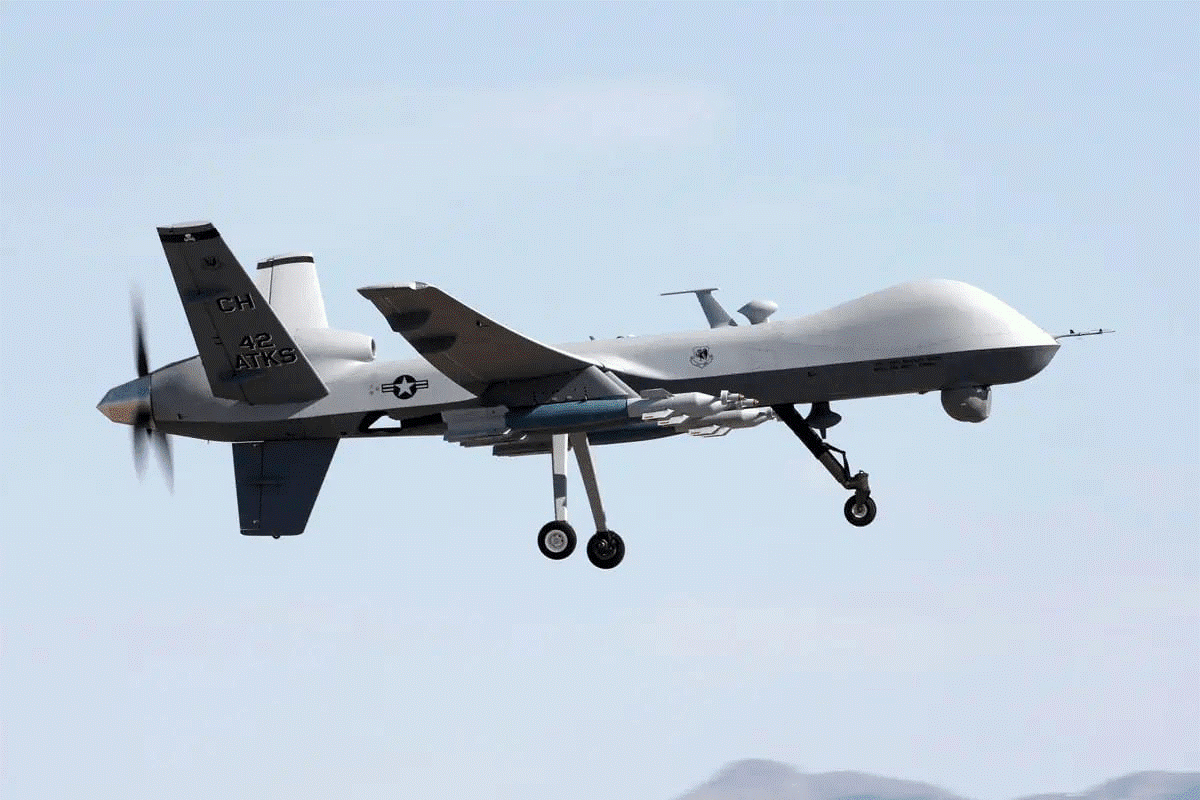
The report covers seven months of multi-round military actions against Iran. Cumulative aircraft losses total eighty-one. The list includes F-15E, F-35A, A-10 and other types. MQ-9 Reapers account for forty-five, nearly half the total. The MQ-9 is a medium-altitude long-endurance platform originally designed for reconnaissance and frequently treated as expendable in actual combat. It is relatively slow and lacks stealth design, leaving it exposed to Iran’s mature surface-to-air missile network. The same report notes that five KC-135 tankers at Prince Sultan Air Base in Saudi Arabia were struck by Iranian missiles. Interception efforts limited the damage, yet some airframes still sustained hits. The exposure of the tanker fleet adds pressure on the air-refuelling plan that underwrites the entire operation. The F-35A case is singled out. One aircraft was hit by an Iranian medium-range surface-to-air missile during a mission. The damage was not fatal, but the airframe suffered multiple points of impact. The incident challenges the perception of invulnerability that has accompanied the type. The report characterises the overall losses as still within controllable limits, yet notes that high-intensity activity carries large financial and human costs and raises questions for force-projection planning.
The practical marker is inventory and funding. Watch the next official aircraft inventory update or supplemental request that explicitly references these losses. That document will show whether the eighty-one figure remains an isolated accounting or becomes a sustained attrition rate.
Author bio: Gavin Thorne, senior researcher at an independent European strategic think tank tracking airpower attrition and Gulf theatre risk.