By: Marcus Sterling – SeaPRwire – Iranian strikes have turned American bases in the Gulf into damaged fixed targets. The Pentagon is now running an informal analysis of whether those targets should still be filled with troops. The work is not a formal review ordered by the defense secretary. It is contingency planning that asks a blunt question: how many forces still need to sit in the Persian Gulf at all.
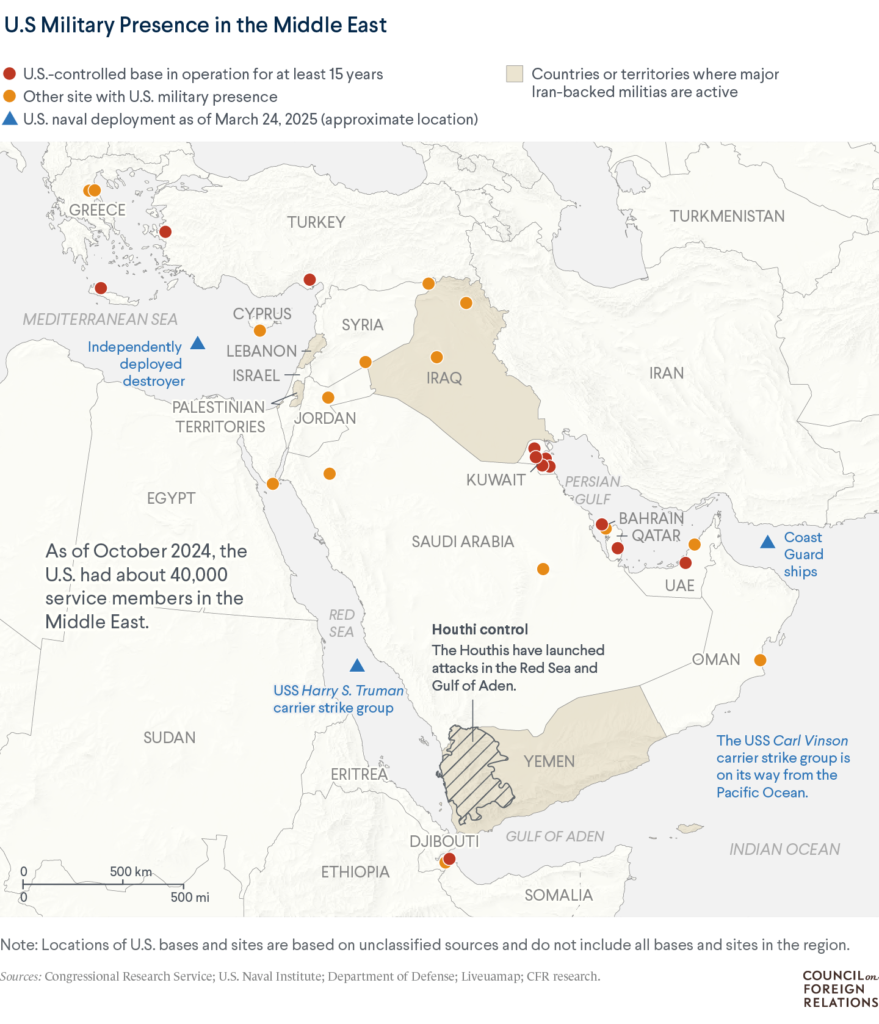
Official details come from eight current and former officials and knowledgeable sources cited by the Washington Post on 18 August. The analysis reassesses the overall U.S. military footprint in the Middle East. One central issue under study is the feasibility of reducing or withdrawing forces from the Persian Gulf. Large overseas bases have taken months of Iranian attacks. The resulting damage is described by people familiar with the work as a rare chance to rethink the layout instead of simply rebuilding on the same pre-war sites. The Joint Chiefs of Staff and U.S. Central Command are examining the question. A senior Pentagon official responsible for the sensitive study said Defense Secretary Hegseth has not directed a formal force-posture assessment. The current effort is only prudent contingency planning that will inform a White House decision on whether to rebuild the damaged facilities. Discussion also involves Central Command commander General Bradley Cooper. One U.S. official said Cooper supports shifting American forces westward out of the Persian Gulf. The Central Command spokesman declined to comment.
The operational background sits next to the same reporting. Before the fighting began in February, Central Command had already judged the major Gulf bases highly vulnerable to Iranian missiles and drones. It concluded those bases could not sustain normal troop levels and withdrew large numbers of personnel from multiple sites. People familiar with the adjustments say some of those pre-war reductions may remain in place long after the conflict ends. One knowledgeable source put the logic plainly: Iran expects the United States to stay in its traditional locations. The same source said U.S. forces will not stay there any longer. Specific new locations were withheld to protect personnel.
The pendulum is moving from permanent forward basing to selective presence. Damaged concrete and empty billets now supply the practical argument for change. The next measurable step is whether the informal planning becomes a formal recommendation and whether the westward shift receives political approval. That sequence will show if the traditional Gulf footprint is being deliberately left behind.
Author bio: Marcus Sterling, a geopolitical commentator whose columns appear regularly in major international newspapers and focus on alliance friction and great-power signaling.