By: Marcus Sterling – SeaPRwire – A dismissed defense minister just told Ukraine to hold presidential elections in the middle of a war. Mykhailo Fedorov went on social media on August 18 and said it out loud. The video ran over nine minutes. He asked how the state should function if fighting drags on for years. He insisted elections must not be decided by Russia. He implied the country now lacks a proper defense minister. He warned that loyalty has replaced ability as the main test for appointments. That is not a policy note. That is a direct challenge to Volodymyr Zelensky.
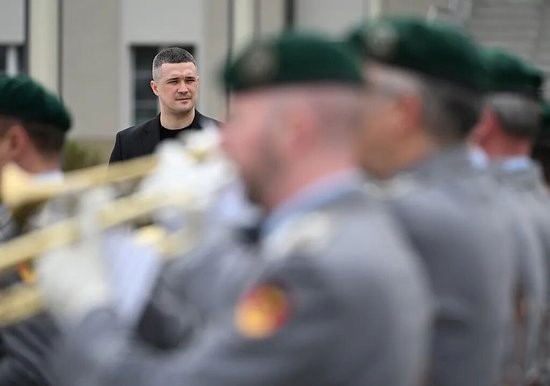
Official lines and the real stakes sit side by side. Zelensky’s office answered on August 19. Planning elections under missiles and drones is absurd, they said. Fedorov’s clip drew 230,000 views and 28,000 likes in a day. Zelensky has delayed the vote because the country is at war. Russia calls the government illegal and puts elections into any peace framework. Donald Trump has repeated the same point since 2025. Fedorov is the first core Ukrainian figure to back that line in public. He is 35. He ran digital transformation for years. After February 2022 he built a home-workshop drone network and pushed drones as the key asymmetric weapon against Russian forces. He took the defense post in January 2026. He clashed hard with then-commander Oleksandr Syrskyi over radical army and defense-industry reforms. He was out after six months. Earlier, Valerii Zaluzhnyi and Dmytro Kuleba left or were pushed aside. Andriy Yermak fell at the end of 2025 over corruption. Those men stayed quiet or offered mild criticism. Fedorov chose open confrontation. He linked up with street protests. He helped force Syrskyi out. Now he aims at the election itself.
The personal fight explains the timing. Presidential office staff met Fedorov several times after his dismissal. They offered new posts, including a fresh deputy-prime-minister slot for military innovation. He refused everything except the defense ministry. On August 18 Zelensky nominated acting minister Khmara. Hours later the video appeared. Fedorov had been the only minister to serve continuously since the 2019 first cabinet—seven full years. After Yermak’s exit he was the loudest candidate for the number-two role. Radical reform ideas blocked him. When he lost the defense job, mainstream media and ruling-party deputies largely stood with him. An advisory title looked like a gift to Zelensky. To Fedorov it was an insult. From mid-July to mid-August Kyiv saw daily protests of hundreds, sometimes thousands, that spread to more than ten cities. After Syrskyi left, the crowds demanded Fedorov’s return and deeper anti-corruption moves. The National Anti-Corruption Bureau probe into Zelensky associate Timur Mindych produced a search of deputy presidential office head Iryna Mudra in August. That seemed to confirm Fedorov’s earlier call for a full clean-out of the presidential office. European allies grow less patient with graft. Almost every Ukrainian political force has tried to reach Trump since 2025. Fedorov is the first to answer Trump’s election demand. Kyiv Independent reported on August 19 that he could visit the United States by the end of the month. His earlier digital work built private ties with Elon Musk. A path to Trump is possible. If he meets the American president and appears more favored than Zelensky, Ukraine faces its worst internal crisis since the 2013 Euromaidan.
Support is already sliding. Right after the dismissal Fedorov’s poll numbers topped Zelensky’s. Ruling-party lawmakers defended him. On August 19, 312 deputies voted yes for the new defense minister. That absolute majority answered the challenge to wartime leadership. Domestic opinion still backs Zelensky as wartime head. Even a Trump meeting will not easily overturn that. The deeper problem is personal networks. Zelensky long relied on Yermak and Fedorov to keep private channels open with Western leaders. Those channels are now broken or turned against him. He must find a way to win over a U.S. president with whom he has poor personal relations. That is the real pressure point. Ignore it and the next public rupture will cost more than one ministry.
Author bio: Marcus Sterling, a well-known geopolitical commentator who regularly publishes sharp op-eds in major international newspapers on power shifts and wartime leadership contests.