By: Elena Rostova – SeaPRwire – China’s consumption drive keeps hitting the same wall. Residents feel their family assets shrinking after years of real estate adjustment. This wealth effect loss makes spending cautious. Official channels now stress fixing balance sheets and stabilizing the property market as key steps to unlock broader demand.
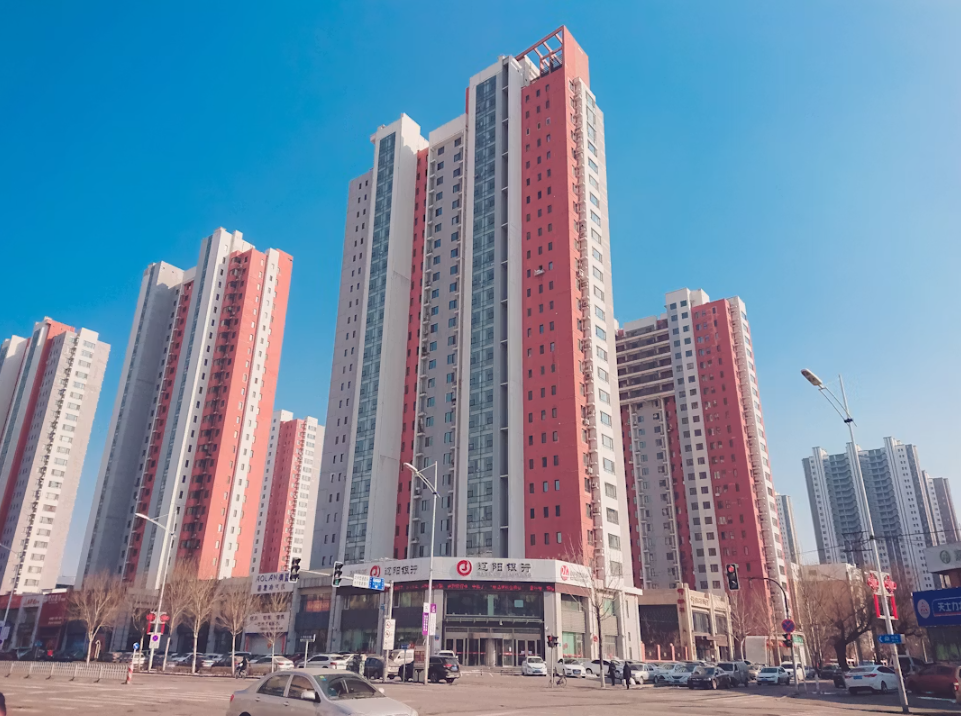
Qiushi magazine and its website have turned attention to this link repeatedly this year. The latest commentator piece on boosting consumption with greater force points out that deep real estate market adjustment has left many residents with thinner assets and weaker wealth effects. It calls for faster repair of household balance sheets and focused efforts to stabilize the real estate market. This builds on two earlier interventions. In January, Qiushi ran an article titled “Improving and Stabilizing Real Estate Market Expectations.” In March, another piece on sustained expectation stabilization work urged stronger and more targeted measures to keep the property market steady. Qiushi serves as the Party’s key theoretical platform for guiding national work. Its statements carry clear weight.
The emphasis on wealth effects stands out across these articles. The January piece recognized real estate’s role as a financial asset and important source of household wealth. Later pieces reinforced this. The recent commentary directly ties market adjustment to reduced wealth effects. Residents cut back on spending as a result. Zhongzhi Research Institute explains that falling home prices create a sense of wealth loss even without sales. This curbs consumption willingness and capacity. It also boosts precautionary savings. The institute calls stabilizing the real estate market a systemic issue touching livelihoods and confidence. As one of the largest domestic demand drivers, property should play a bigger role in consumption recovery. The articles warn against negative spirals where asset price drops erode confidence, weaken economic activity and employment expectations, and feed back into further price pressure. Such language signals high-level awareness of these interconnections.
Beyond direct mentions, the consumption article touches related supply and restriction issues. It notes that some goods and services remain stuck in homogenized, low-level competition. This fails to meet increasingly personalized and diverse resident demands. It calls for better supply-demand matching through higher quality and optimized structures on the goods side. It also stresses clearing unreasonable restrictive measures in consumption areas. Analysts see these as pointing toward supply-side structural reforms in housing, including better homes and property services. Restriction cleanup could open more room for demand activation. A senior real estate private equity practitioner told 21st Century Business Herald that while the piece frames real estate within the larger consumption push, it covers comprehensive angles. Expectation stabilization remains central, consistent with prior Qiushi articles. It also sketches operational ideas for future policy tweaks. With the market’s stabilization foundation still needing reinforcement, policy optimization expectations have risen again.
National Bureau of Statistics data shows the first five months saw new commercial housing sales area at 313 million square meters, down 10.8 percent year on year. Sales reached 2.9 trillion yuan, down 13.5 percent, though the decline narrowed for three consecutive months. Second-hand home prices in Beijing, Shanghai, Guangzhou and Shenzhen rose month on month for three straight months from March to May. Zhongzhi Research Institute describes the market as still in a bottoming process with increasing differentiation. Core cities show some warming. The signals suggest continued implementation of property stabilization policies with greater focus on anchoring price expectations.
Practical directions emerge from the analysis. Strict control of new land supply and standardized land transfer prices and planning conditions top the list. Policies should roll out fully, including larger-scale buybacks of inventory housing and idle land. Clearing restrictions, lowering purchase costs, optimizing provident fund rules, offering subsidies and loan discounts could activate demand. Market participants need behavioral norms to avoid vicious competition and steady expectations. City renewal supporting policies require faster rollout with improved fiscal and financial measures.
Publishers and analysts watch these Qiushi statements closely because they shape the policy tone. The repeated focus this year shows real estate sits at the center of consumption revival efforts. Households hold most wealth in housing. Price movements directly hit nominal wealth and spending behavior. The negative spiral warning highlights risks if adjustment drags. Repairing balance sheets through market stabilization aims to restore confidence and spending power.
Teams in policy circles often discuss these dynamics in closed sessions. One policymaker might note how fragmented data on household assets complicates quick responses. Another points to core city rebounds as proof targeted measures work. Yet nationwide differentiation persists. The call for supply quality upgrades speaks to long-standing issues with homogenized offerings. Clearing restrictions targets leftover barriers from earlier cycles.
The platform’s authority adds force. As the Party’s guiding theoretical outlet, Qiushi statements reflect strategic priorities. Linking real estate stability directly to consumption goals elevates the issue beyond sector-specific fixes. It frames property as integral to domestic demand strategy. Wealth effect revival could break the caution cycle among residents.
Early indicators like narrowing sales declines and core city price gains offer some ground for cautious optimism. Yet the bottoming process continues. Policy continuity with added precision on expectations appears likely. Operators in real estate and related consumption fields should track these signals for upcoming adjustments.
Local governments and developers face the task of aligning with these priorities. Land supply controls could ease inventory pressure. Demand-side tools like subsidies and financing support may see expansion. City renewal gains urgency as a growth avenue.
The integrated view matters. Consumption teams cannot ignore property wealth effects. Real estate players must consider broader economic confidence impacts. Coordination across ministries and levels becomes essential for effective implementation.
Zhongzhi Research Institute’s reading reinforces this. Asset price stability supports consumption confidence. Preventing spirals requires proactive steps. The articles provide both diagnosis and directional guidance without overpromising quick fixes.
Practitioners on the ground see value in the operational hints. A private equity contact highlighted the comprehensive framing. It maintains consistency on expectations while opening doors for specific optimizations. This balance helps markets prepare for measured policy evolution.
Data points anchor the analysis. Sales volume and value declines continue but moderate. Core cities lead recovery. These patterns match the differentiated market description. Policy focus on expectations aims to broaden the stabilization base.
The negative spiral concept brings analytical depth. Asset drops hit confidence. Weak demand pressures jobs and incomes. This loops back to assets. Breaking it demands targeted balance sheet repair through property measures.
Supply-side points address quality and restrictions. Better matching to diverse demands could lift both consumption and housing appeal. Clearing barriers removes friction points for buyers and investors.
Overall, the Qiushi series this year maps a clear policy thread. Real estate stabilization serves consumption goals. Wealth effects deserve attention. Expectation management remains core. Operational spaces exist in land, demand support, market conduct and urban renewal.
Decision makers gain a framework for action. Monitor core indicators. Prioritize measures that restore household confidence. Align supply improvements with demand needs. This integrated approach offers the best path forward from current challenges.
The real test lies in execution details. Policies that translate these signals into tangible balance sheet improvements and spending recovery will determine outcomes. Focus there delivers results.
Author bio: Elena Rostova, public policy expert providing compliance assessments to governments and sovereign funds on economic regulation and strategic reforms.