NORTHAMPTON, MA – 31/12/2025 – (SeaPRwire) – DP World is accelerating the integration of environmental design into large-scale port infrastructure, marking a new phase in how global trade hubs interact with surrounding marine environments. At Jebel Ali Port in Dubai, the company has completed the first stage of a Living Seawalls installation, introducing eco-engineered structures that turn conventional seawalls into functional marine habitats.
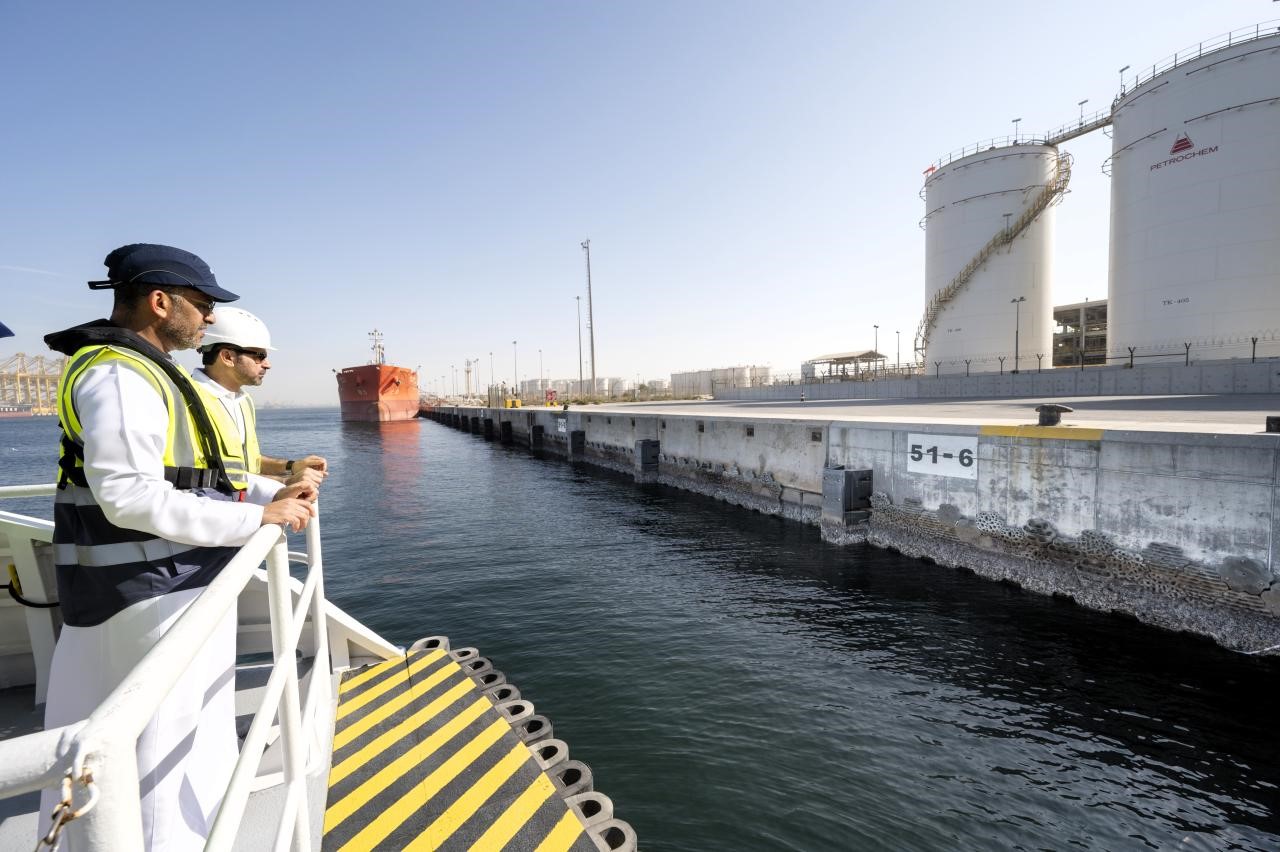
The initial deployment includes 1,000 Living Seawalls panels installed along the port’s waterfront. Developed in collaboration with Living Seawalls, a science-based initiative of the Sydney Institute of Marine Science, the panels feature complex textures and forms inspired by natural rock systems. These designs are intended to increase habitat diversity by providing shelter and attachment points for a wide range of marine organisms in areas where biodiversity has historically been limited by flat, artificial surfaces.
DP World plans to expand the installation to 6,000 panels by 2028. Once completed, the project is expected to become the longest continuous waterfront structure in the region specifically designed to support self-sustaining marine ecosystems while maintaining full port functionality.
“Ports are uniquely positioned at the intersection of industry and the natural environment,” said Abdulla Bin Damithan, CEO and Managing Director of DP World in the GCC region. “This initiative demonstrates that it is possible to support global trade while actively contributing to healthier coastlines.”
Ecological monitoring associated with the Jebel Ali project is scheduled to begin in 2026. The data collected will contribute to international research on ecological resilience in port environments and support DP World’s Ocean Strategy, aligning with global biodiversity objectives outlined in the Kunming-Montreal Global Biodiversity Framework.
Building on Proven Results in the Americas
The Jebel Ali installation builds on DP World’s expanding Living Seawalls portfolio, which includes several projects across the Americas designed to combine infrastructure development with ecological restoration.
At the deep-water terminal in Posorja, Ecuador, DP World is installing Living Seawalls panels on port pilings as part of its terminal expansion. These structures replicate features found in natural marine habitats, such as mangrove roots and tidal rock pools, creating new ecological niches alongside operational port assets.
By the end of 2025, 21 pilings at the Posorja terminal are expected to be fitted with Living Seawalls panels. The project is supported by comprehensive biological monitoring programs aimed at generating scientific insights into how engineered coastal infrastructure can enhance marine biodiversity.
“The Living Seawalls installation at Posorja reflects our commitment to responsible growth,” said Carlos Merino, CEO of DP World in Colombia, Ecuador, and Perú. “It shows how sustainability can be embedded into port expansion without compromising economic performance.”
DP World’s work in Ecuador follows earlier success in Peru, where a pilot project at the Port of Callao documented dozens of marine species within its first year of operation. These outcomes have reinforced the role of nature-inspired engineering as a practical tool for strengthening coastal resilience.
Redefining the Future of Ports
Across its global network, DP World is positioning sustainability as a core component of modern port development. Initiatives such as Living Seawalls illustrate how ports can move beyond impact mitigation to actively support ocean health.
From the Middle East to Latin America, DP World continues to invest in solutions that align commercial efficiency with long-term environmental value, signalling a broader shift toward nature-positive infrastructure in the global logistics sector.