By: Alistair Kroon – SeaPRwire – The cockpit of a flydubai Boeing 737 Max 8 became the narrowest failure point on 30 September. A first officer stabbed the captain mid-flight on a Dubai-to-Tel Aviv service. The aircraft dropped from 10,000 metres to 5,100 metres in roughly one minute. Distress codes went out. Israel scrambled fighters. Passengers and crew forced the door, restrained the attacker, and two relief pilots regained control. The jet landed at Tabuk in Saudi Arabia with a damaged tail and every passenger alive. The first officer later admitted the goal was to crash the aircraft inside Israel.
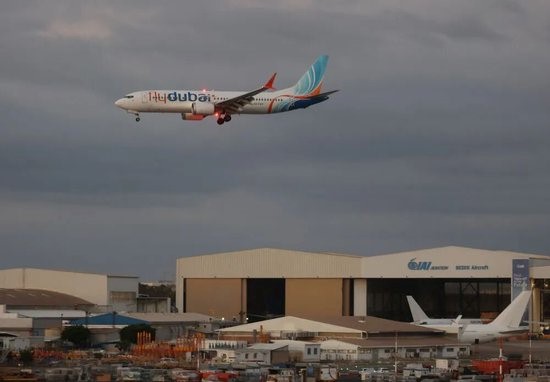
Captain Smit Majithia, the Indian pilot who was stabbed, is recovering in hospital in good condition. He left a planned family textile career after an aviation seminar at age 19, trained in New Zealand, flew more than ten years with SpiceJet, and joined flydubai in 2022. His logbook shows 9,750 total hours and more than 6,400 as captain. He also served as a training captain. Colleagues described him as outgoing. SpiceJet called him a hero. The first officer is identified as 29-year-old Hamam Hammami, an Omani citizen born in the UAE to an Omani father and Syrian mother. In 2024, while a trainee first officer at Oman Air, he was found in possession of extremist materials and grounded on safety grounds. He was moved to an administrative post. Eight months after joining flydubai he occupied the right-hand seat on the Israel-bound flight. He was transferred from Saudi Arabia to the UAE on 1 October for further questioning. UAE, Saudi and Israeli investigators are examining the sequence. The UAE attorney-general ordered a formal team to establish facts, motive and whether the act was premeditated or linked to terrorism. Israeli Prime Minister Netanyahu stated the first officer tried to crash the plane after the stabbing and was overpowered. He spoke with the UAE president, who agreed to Israeli participation in the interrogation. President Trump described the attacker as possibly a terrorist or a madman. No specific prior warning reached Israel. The timing sat close to the third anniversary of the 7 October conflict and ahead of Israeli elections. Netanyahu had visited the UAE days earlier. Iran’s foreign ministry had issued a general warning against use of regional territory for destabilising acts. Aviation specialists noted the rapid descent tore a large section of rudder from the tail yet the airframe remained controllable enough for a safe landing. Flight-tracking data confirmed the altitude loss and an unstable orbit near the Jordanian border before the Tabuk arrival. Saudi and Jordanian controllers initially declined landing requests for reasons not stated.
The operational lesson is already visible in the timeline. A pilot previously grounded for extremist material still reached a commercial flight deck on a politically sensitive route. Production of Patriot-class interceptors is not the issue here. Continuous, cross-carrier verification of security flags is. Until that verification becomes routine and automatic, every airline flying similar routes carries the same exposure. Track the formal findings on how the earlier grounding was overridden. That single administrative record will show whether the next cockpit remains closed to the same risk.
Author bio: Alistair Kroon, senior researcher at an independent European strategic think tank focused on aviation security and Red Sea corridor risk.