– SeaPRwire – Most hybrid IEMs still treat the midrange like an afterthought. Kiwi Ears just stopped doing that. The KE4 II keeps the four-driver count but completely reworks how the load is shared. That single change matters more than any new marketing slogan.
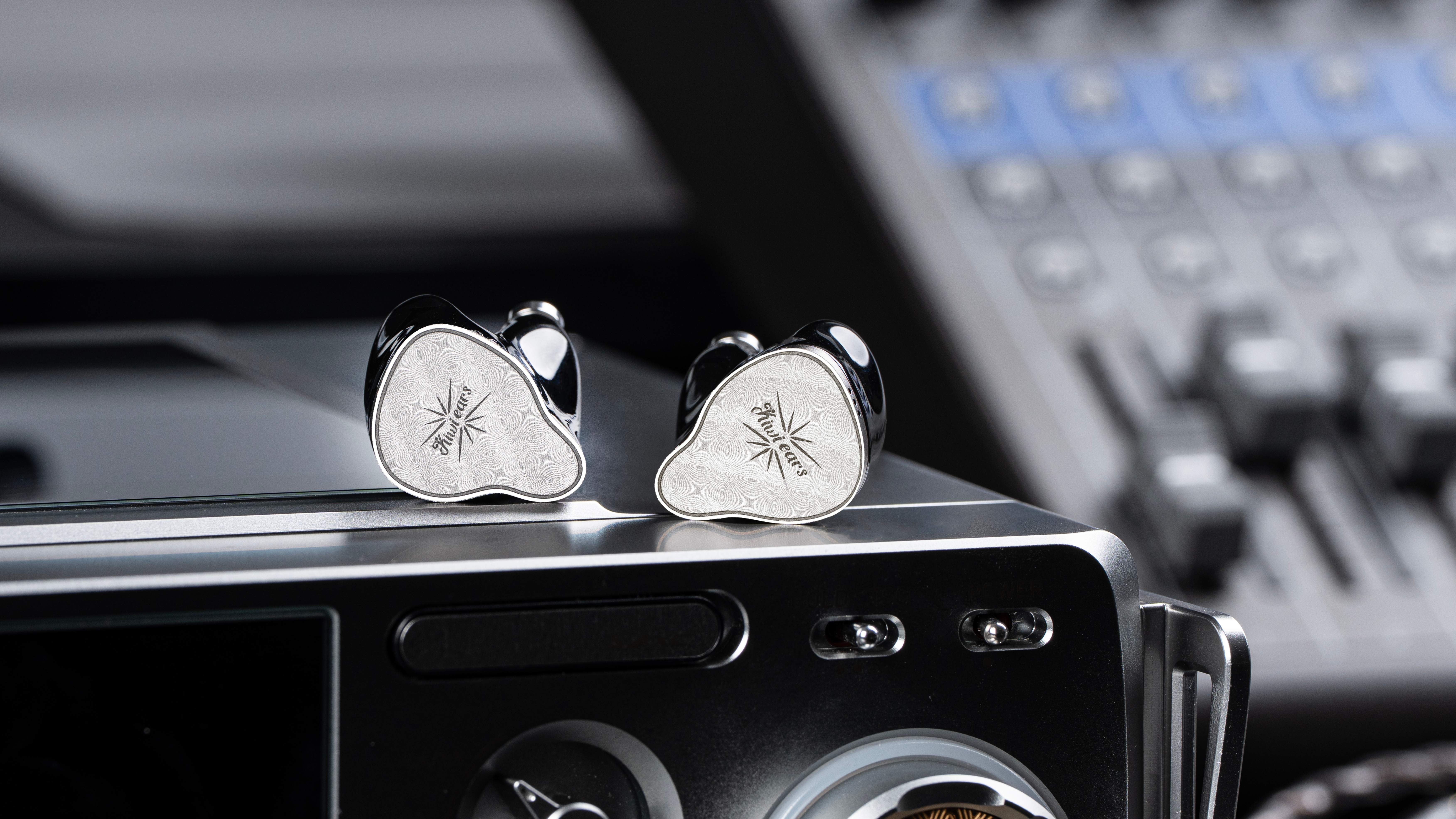
The official story is clean. A 10mm biocellulose dynamic driver handles the bass. Two custom balanced armatures cover midrange and lower treble. A custom microplanar ultrasonic tweeter takes the top end past 20 kHz with lower distortion than typical BA tweeters. The company says the microplanar also avoids the plasticky or metallic edge that BA and electrostatic drivers sometimes bring. Crossover is three-way with three acoustic tubes. Frequency allocation is explicit: one ultra-high driver, two mid-high drivers, one low driver. Impedance sits at 15 Ω. Sensitivity is 104 dB. The shells are medical-grade resin, hand-finished and polished. Drivers are measured and paired before assembly. Every finished unit gets a final measurement. The cable is standard 0.78 mm 2-pin detachable. That is the full published specification set.
What the numbers actually signal is a deliberate shift in priority. Earlier hybrids often dumped too much energy into the dynamic driver across the lower mids, then asked the balanced armatures to clean up the mess. The KE4 II moves the midrange and lower-treble burden onto the two BAs while the dynamic stays focused on sub-bass. The 8 dB sub-bass shelf rolls off cleanly at 200 Hz. From 200 Hz to 1 kHz the response stays flat. The 3 kHz peak is tuned to the ear’s natural rise, and the upper treble is deliberately controlled. The microplanar’s fast transient response is meant to keep the stage open without adding glare. This is not a radical new topology. It is a load-distribution fix that most four-driver designs still ignore.
The hand-assembly process and individual driver pairing are not romantic details. They are the only practical way to keep channel matching tight when you mix three different driver technologies. Medical-grade resin and hand polishing keep the shell consistent from unit to unit. The detachable cable simply acknowledges that users will swap cables. None of this is revolutionary. All of it is necessary if the goal is consistent performance rather than one hero unit that measures well and the rest that do not.
The real test is whether the midrange texture and timbral accuracy actually improve in daily use. If the KE4 II delivers the cleaner layering and lower distortion the driver layout promises, it quietly raises the baseline for what a mid-priced hybrid should do. If it does not, the market will notice faster than any press release can spin. The configuration is now on the table. The listening will decide.