By: Alistair Kroon – SeaPRwire – The speeches are finished. The general debate of the 81st United Nations General Assembly closed on 28 September in New York. One hundred thirteen heads of state and government took the floor. The next phase is formal consideration of the agenda items. The theme remains rebuilding trust and managing change.
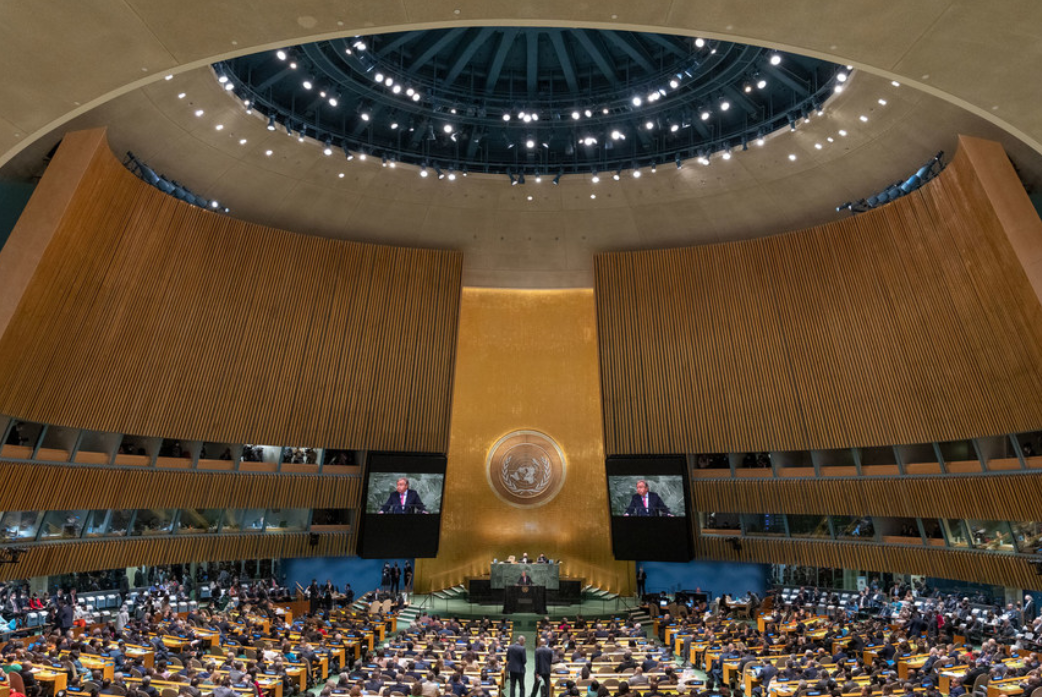
On the final day the UAE Minister of State Khalifa and DPRK Deputy Foreign Minister Kim Son Kyong spoke. Khalifa stated that the UAE opposes the illegal use or threat of force and the resolution of disputes by coercion. The international community should uphold freedom of navigation on international waterways according to international law and the principle of national sovereignty. Kim criticized military confrontation initiated by the United States, Japan and the Republic of Korea. He said the DPRK will continue to defend its sovereignty, security and fundamental interests with nuclear deterrence. After the last national statements, General Assembly President Khalil delivered the closing remarks. He noted that representatives of the member states, including 113 heads of state and government, had spoken during the week. Many called for defense of the UN Charter, international law and the protection of civilians. They stressed that the United Nations remains indispensable. Development issues ran through the entire debate. Artificial intelligence moved from a peripheral topic to a core agenda item. Khalil said the selection of the next Secretary-General is one of the most important responsibilities of this session. Rebuilding trust is the main priority of his presidency. The United Nations will continue to provide a platform for parties to express views, resolve differences through negotiation and reach consensus. Dialogue can be difficult and frustrating, yet it is better than stopping dialogue and resorting to force. To rebuild trust, reform of the United Nations is imperative. The theme of the session is “Rebuilding Trust, Managing Change: A United Nations That Delivers for All.” During the general debate the United Nations also held a climate summit, a high-level meeting marking the 40th anniversary of the Declaration on the Right to Development, and a high-level meeting marking the 25th anniversary of the Durban Declaration and Programme of Action. The General Assembly is the principal deliberative, supervisory and review organ of the United Nations and is composed of all member states. With the general debate concluded, the 81st session moves into the stage of discussion and consideration of the items on its agenda.
Official language emphasizes the volume of high-level participation and the recurring calls for the Charter and international law. The practical markers are the elevation of artificial intelligence to a central topic, the explicit priority given to selecting the next Secretary-General, and the insistence that reform is required to restore trust. The UAE and DPRK statements supply the concrete security and navigation positions voiced on the closing day. The sequence is the week of national addresses, the closing summary by the President, and the transition to agenda work.
The pendulum now sits with the formal agenda process and the Secretary-General selection. The practical marker is whether the reform discussion produces concrete proposals or remains declarative. Until those proposals appear the recorded emphasis on trust, AI and the next leadership choice remains the available data.
Author bio: Alistair Kroon, overseas geopolitical commentator whose columns on United Nations procedure, General Assembly priorities and multilateral reform appear regularly in major international newspapers.