By: James Vance – SeaPRwire – Print shops keep getting the same problem. A customer drops off a logo that looks fine on a phone screen. Zoom in and it turns to mush. Too small. Too blurry. Wrong format. Production stops until someone redraws it. That redraw used to mean hours of manual work or another monthly software bill. GetPrintFiles just made the detour optional.
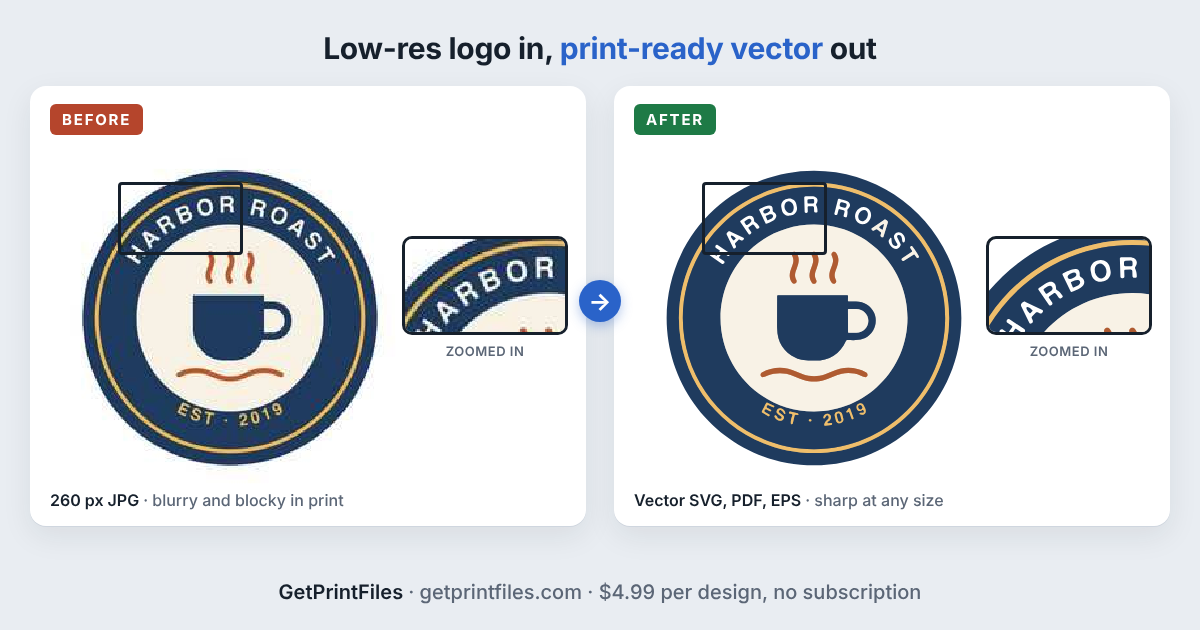
The service went live on October 21, 2026, out of Charlotte, North Carolina. It belongs to Web2ink. Users upload a PNG, JPG, or WebP. They can also type a plain-language description. The system traces the image into a vector and shows a free watermarked preview before any money changes hands. Finished files arrive as SVG, PDF, and EPS plus a 300 DPI PNG sized to the print width. No account is required. Pricing runs per design. Prepaid packs exist and the credits never expire. The same fee covers AI image generation. Each text prompt returns four options. The chosen one auto-traces into a vector. A built-in editor lets the user add text or strip and combine colors before download. Background removal sits inside the same price. Founder Steve McKillip put the reason plainly. Shops receive low-resolution logos every day. Fixing them meant hand redrawing or paying for design software on a monthly plan. He wanted shops to see the finished vector first. The company grew out of work already done for print shops at Web2ink and DTF Print Co. Many of those shops said they only needed vector files a few times a month. A subscription never matched the actual workflow.
That mismatch is the real story. Custom printing still runs on tight schedules. Screen printers, DTF and DTG shops, embroiderers, sign makers, and promo-product firms all face the same bottleneck. Unusable customer artwork sits at the front of the line and everything behind it waits. Outside artists cost time and money. In-house redesign eats capacity that should be on press. GetPrintFiles collapses that step into a single pay-as-you-go transaction. The free preview removes the last hesitation. Once the vector is approved, the file is production-ready. No extra software seat. No lingering subscription. The AI generation layer simply removes the need for the original file in the first place. A shop can start from a verbal description and still walk away with print-ready vectors. The commercial loop is clean. Low-frequency users finally get a tool that matches their frequency. High-volume shops gain a fast overflow valve. The larger effect is quieter production floors and fewer late jobs. That is the practical end state, not a vision statement. Shops that still redraw by hand now have a measurable alternative sitting in the browser.
Author bio: James Vance, a senior technology commentator based at international tech weeklies who covers production software and the quiet friction points inside manufacturing workflows.