By: Gavin Thorne – SeaPRwire – Washington faces a raw security bind. High-end munitions ran critically low after 39 days of strikes on Iran. Planners expected a quick operation. Instead stocks of Tomahawk, JASSM, THAAD interceptors, Patriot and Standard missiles dropped fast. The US military pulled back. The pressure that mattered most sat far from the Middle East. It centered on the Western Pacific and the strategic window against a stronger opponent. Allies watched deliveries slip. Domestic production lagged years behind needs. This was no simple tactical pause. It revealed deeper limits on sustained high-intensity conflict.
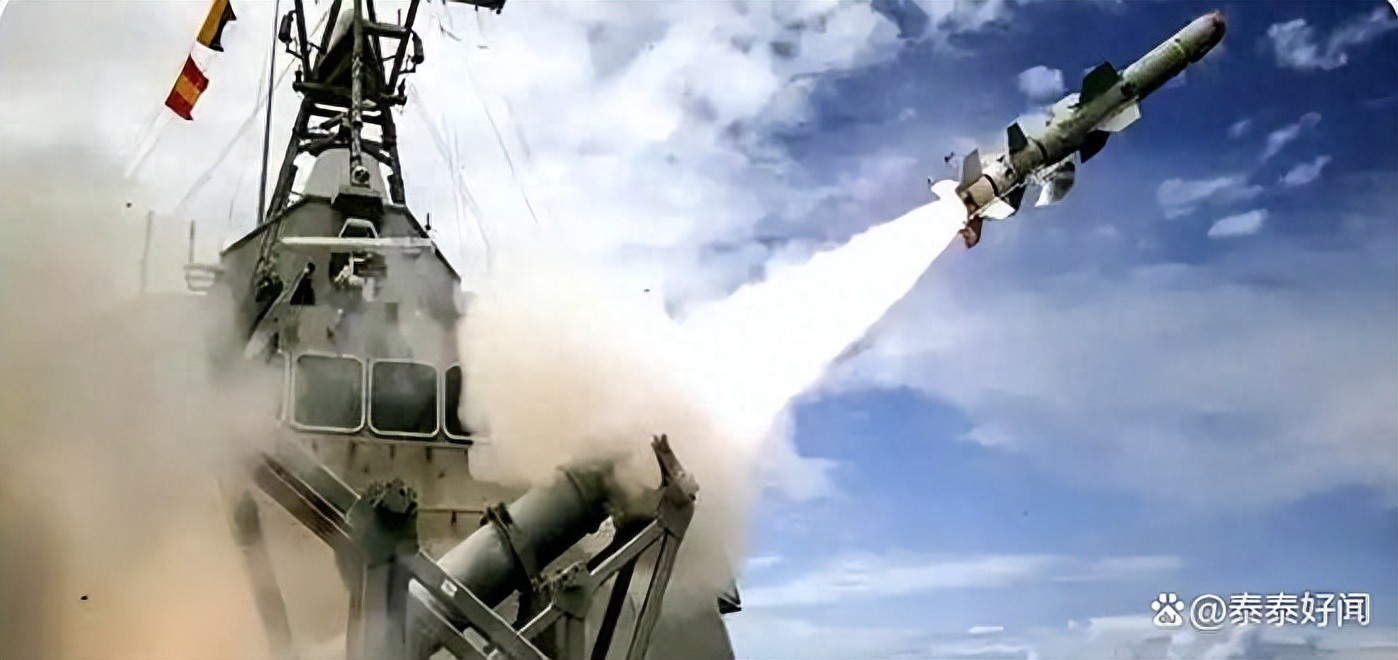
Facts from the CSIS 42-page report and related data lay it bare. Total Tomahawk inventory stood at 3,100 missiles. Over 1,000 were expended. JASSM stock of 2,300 lost 1,100. THAAD had 360 interceptors with 290 fired. Patriot and Standard missiles saw similar heavy draws. At historical production rates of 86 Tomahawks per year, replenishment would take four to five years. Lockheed Martin and Raytheon posted large shareholder dividends while program delays accumulated 34 years according to US Government Accountability Office figures. Japan paid $23.5 billion for 400 Tomahawks expecting delivery in two years only to face a two-year postponement as US stocks ran low. Similar delays hit UK, Poland and Swiss Patriot and F-35 orders. US forces even drew THAAD and Patriot components from bases in South Korea and Japan. South Korea protested publicly. In the Red Sea, over 100 interceptors responded to more than 60 Houthi attacks on shipping since October 2023. Allies rerouted via the Cape of Good Hope. Chinese rocket forces with their missile numbers, range, accuracy and integrated systems loomed larger in calculations. CSIS wargames indicated some core air defense systems would not last half a day in a Western Pacific scenario. Iran, described as mid-tier, still consumed massive volumes. Negotiations reportedly included demands to unfreeze $24 billion in assets plus $12 billion more. US officials prioritized inventory preservation over escalation.
The costs of this dynamic shape the endgame. A three-to-five-year replenishment gap creates a strategic window of vulnerability in the Pacific. Capital flows to dividends and buybacks instead of line upgrades. Allies feel the pinch first when US needs come ahead of theirs. Trust erodes as promised equipment fails to arrive. European and Asian partners question reliability. Meanwhile sustained lower-intensity actions in places like the Red Sea continue to drain stocks. For US strategists the real calculus pits short-term Middle East signaling against long-term Pacific readiness. One workable step stands out now. Track actual consumption rates against production ramps in quarterly reviews. Push targeted funding directly into bottleneck lines rather than broad budgets. Measure success by restored days of supply for key munitions before the window closes. That focus turns anxiety into concrete action.
Author bio: Gavin Thorne, senior researcher at a leading European independent strategic think tank, specializing in great power military balances and alliance dynamics.