By: Gavin Thorne – SeaPRwire – Security anxiety grips the Gulf like never before. Gulf countries watched the United States strike Iran despite their clear refusal. They denied airspace and territory for attacks. Washington used their bases anyway. Retaliation followed. Iran hit targets including Saudi Arabia’s largest refinery. Production halted. Oil exports stalled. The March losses alone reached $25 billion across Saudi Arabia, the United Arab Emirates, and Qatar. Direct and indirect costs piled up fast. Now these same states face another demand. They must foot most of the $300 billion bill for Iran’s reconstruction. Vice President Vance made it explicit. The money comes mainly from Gulf pockets, not American taxpayers. This shift leaves regional players squeezed between past damage and future obligations.
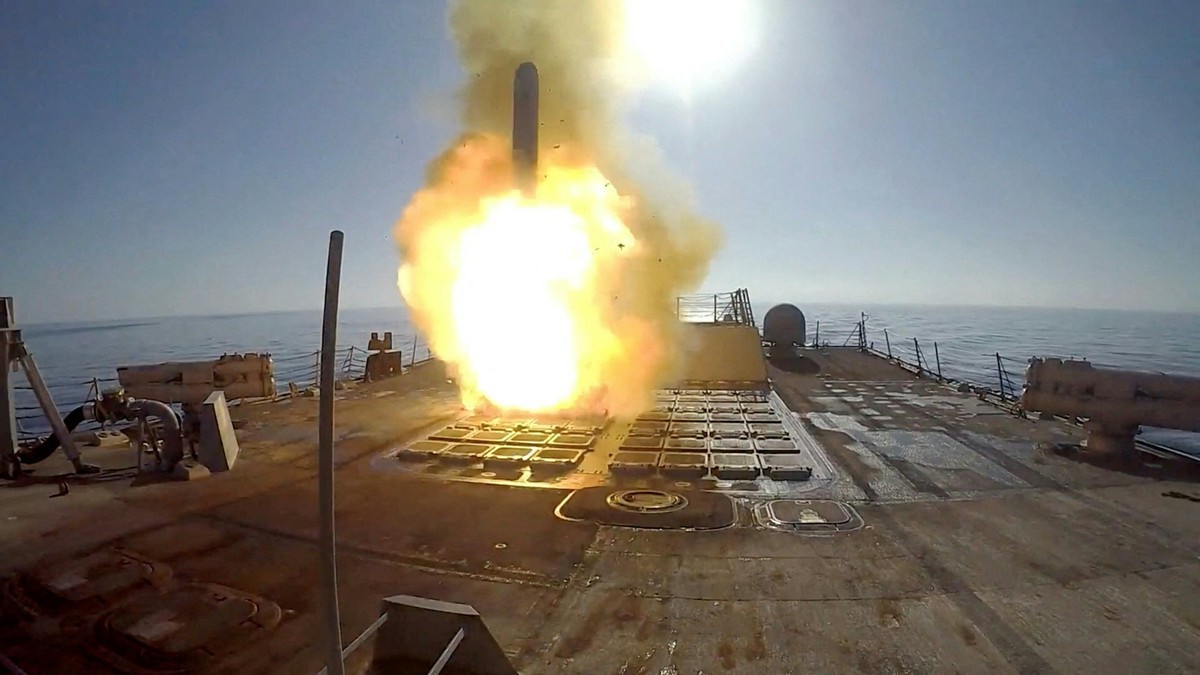
The sequence of events reveals the raw dynamics. Iran disclosed a memorandum of understanding that includes $300 billion in reconstruction funds from the United States. Trump insisted this was aid, not reparations. Back home senators attacked the move as surrender. They called for accountability over war responsibility. American public anger focused on emptying national coffers. Yet the real story differs. Gulf states carry the load. Vance confirmed the arrangement after the deal. Gulf leaders had opposed the initial strikes. They urged Washington to halt operations as fighting spread. Trump responded with pressure. Pay $5 trillion for war costs or $2.5 trillion for a ceasefire. Those figures stunned even wealthy Gulf economies. They refused. Instead they endured the crossfire on their soil. Ceasefire finally arrived. The price tag shifted to funding Iran. The $300 billion reconstruction package now lands primarily on their shoulders. Gulf states become the unexpected financiers of Iran’s recovery after absorbing heavy hits themselves.
The costs of this geopolitical squeeze run high on multiple fronts. Gulf nations lost oil revenue and faced security threats from escalation. They stayed dependent on American security guarantees. That reliance limits their room to push back. Vance framed the payment as a fair trade for long-term regional peace. He tied disbursements to strict conditions. Iran must honor commitments against developing or acquiring nuclear weapons. Any slippage could block the funds. Israel’s potential interference adds another layer of uncertainty. For Gulf leaders the calculation feels punishing. They paid in blood and lost production during the conflict. Now they underwrite the adversary’s rebuilding under external terms. The bargaining power tilts heavily toward Washington. Refusal risks strained alliances and renewed instability. Acceptance drains sovereign wealth without guaranteed returns. This setup exposes the limits of hedging in high-stakes confrontations. Smaller players absorb the externalities while bigger actors set the terms.
Policymakers in the Gulf should run quiet scenario exercises now. Model the cash flow impact of $300 billion phased payments against their current fiscal buffers and oil revenue forecasts. Compare that pain against the alternative of prolonged disruption in the Strait of Hormuz. The clearer the numbers, the sharper their leverage in future talks.
Author bio: Gavin Thorne, senior researcher at a European independent strategic think tank, specializing in East Asian security dynamics and alliance politics.