By: TechVanguard – SeaPRwire – The contradiction hits hard. You collapse into bed after a long day, body drained, yet your mind races like it’s still scrolling. Notifications, fast cuts, loud pings — they don’t stop when you close the laptop. They linger. Patrick’s ASMR creator sees this every day. Overstimulation has quietly become the biggest obstacle to real rest.
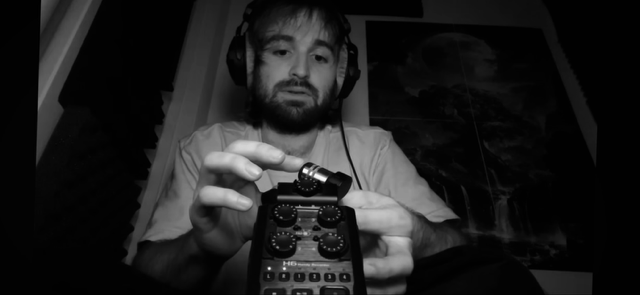
Thttps://storage.googleapis.com/bucket_tickerinsider/3547915d-1.pnghe channel launched in 2023. It delivers whispering, tapping, brushing sounds, and deliberately slow pacing. Viewers use it to wind down. The creator points out a simple truth: people don’t realize how much speed their brains absorb all day. Fast edits. Constant alerts. Rapid-fire media. By bedtime the attention is still in high gear even when the body feels exhausted. Many move straight from high stimulation into bed without any transition. Silence feels strange. Quiet becomes uncomfortable.
Viewers tell the creator they lie down and their thoughts sound louder than the room. Their minds have jumped between screens and notifications for hours. Research from sleep and behavioral health organizations backs this up. Excessive screen exposure and high stimulation before bed mess with sleep quality and raise mental fatigue. The creator notes that modern content is built to grab and hold attention aggressively. Everything competes for reaction. ASMR works the opposite way. It removes pressure instead of adding more. No sudden noises. No sharp transitions. The experience stays steady from start to finish.
One viewer returns to the same tapping video every single night. The brain recognizes it as a signal to slow down. Consistency matters. Patrick’s ASMR avoids anything that could jolt someone back into alertness. Even one loud sound can ruin the calm. The channel reflects a broader shift toward quieter content. People are seeking slower, repetitive experiences that reduce mental noise rather than feed it.
This pattern reveals something deeper about today’s media habits. Brains adapt to constant input. When the input suddenly stops, restlessness takes over. Many underestimate how difficult these habits make relaxation. Physical tiredness and mental overstimulation are not the same thing. The creator draws a clear line there. People aren’t just tired. They’re overstimulated.
The business side is straightforward. Patrick’s ASMR built an audience by offering the exact opposite of mainstream attention economy tactics. Instead of chasing endless engagement through speed and novelty, it provides stability and repetition. That approach turns into a reliable nighttime routine for many. Viewers come back to the same sounds because they work. The channel keeps production focused on careful pacing and minimal interruption.
For anyone struggling to switch off, the practical takeaway is clear. Try replacing the last thirty minutes of scrolling with something deliberately slow and repetitive. A single consistent ASMR track might train your brain better than forcing yourself to “just relax.” The fix isn’t another productivity hack. It’s giving your attention a real chance to rest.
Author bio: TechVanguard, long-term technology commentator for international outlets, tracking the intersection of digital culture, attention economy, and everyday user behavior.