By: Gavin Thorne – SeaPRwire – North American streets no longer feel safe for certain immigrant communities. Coordinated police strikes this week ripped through Indian-linked crime groups that had operated with impunity across the US, Canada, and Europe. The arrests lay bare a persistent security headache. These networks don’t just peddle drugs or run extortion rackets. They orchestrate hits on foreign soil and exploit weak spots in diaspora ties.
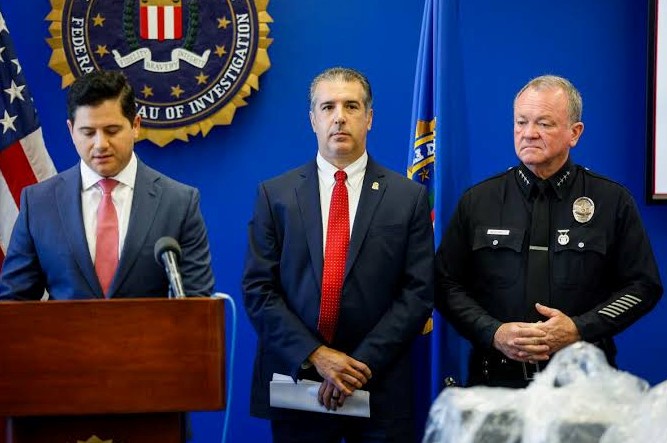
Law enforcement delivered a serious blow. US authorities, working with Canadian and Spanish police, executed raids at dozens of locations. They took 24 suspects into custody, with 11 grabbed in California. Officers seized roughly one ton of cocaine and over a dozen firearms. Federal prosecutors in California charged 37 individuals from these Indian gangs with racketeering, drug trafficking, and murder. Convictions could mean decades behind bars, with some facing life sentences in US federal prisons. The Bishnoi group stands out as the most notorious. Canadian officials once labeled it a terrorist organization. Its members stand accused in the 2023 assassination of Sikh leader Hardeep Singh Nijjar in Canada. Lawrence Bishnoi, the outfit’s leader, runs operations from an Indian prison using smuggled phones and encrypted channels. He positions himself as a patriot and devout Hindu to recruit followers online. His group has targeted South Asian communities in North America through killings, kidnappings, and shakedowns.
A rival faction, the Bagwanpriya crime group, also took hits. Its leader, Jaggu Bagwanpriya, broke away from Bishnoi circles to build his own empire. The network claims over 1,000 members spread across the US, UK, Canada, Australia, and New Zealand. US prosecutors highlighted how these gangs cozy up to corrupt officials back in India. In one documented case, members sent a Los Angeles victim’s details to a “dirty cop” in Punjab. Soon after, the victim’s father and sister in India faced false murder accusations. This cross-border pressure tactic shows how the gangs turn homeland vulnerabilities into tools for intimidation abroad. The operation uncovered layers of “black eats black” violence, human trafficking, and drug runs. Yet authorities admit several key figures remain at large, including seven in the US and two in India. Statements from California prosecutors, Los Angeles police, and the Royal Canadian Mounted Police stressed continued pursuit. No charges in the current indictment link the Indian government to the killings.
These raids carry real costs for everyone involved. For the gangs, losing key operatives and drug loads disrupts cash flows and command structures. Prison time for leaders like Bishnoi might loosen their grip, but encrypted apps and loyal foot soldiers keep things running. For law enforcement, the wins demand heavy resources. International coordination across continents is expensive and slow. Diplomatic friction adds friction. Canada-India relations already cooled over the Nijjar case, though US filings carefully avoided implicating Delhi. Diaspora families in California and Vancouver now live with heightened fear. The pattern suggests these groups will adapt by shifting routes, recruiting locally, or burrowing deeper into legitimate businesses. Sustained pressure through asset seizures and financial tracking offers the best path forward. One-off raids grab headlines but rarely kill the hydra. Intelligence sharing between Western agencies and selective pressure on source-country corruption could shrink the operating space these networks exploit. Without it, the next wave of violence is only a matter of time.
Author bio: Gavin Thorne, senior researcher at a European independent strategic think tank, specializing in transnational security threats and cross-border criminal networks.