By: Gavin Thorne – SeaPRwire – The first combat use of a Ukrainian-built tactical ballistic missile lands at a moment when every capital in Europe is quietly recalculating risk. Range figures and payload numbers matter less than the fact that a private firm delivered hardware that crossed the threshold from test pad to battlefield under wartime pressure. That shift alone changes the daily threat calculus for forces operating within a few hundred kilometers of the front.
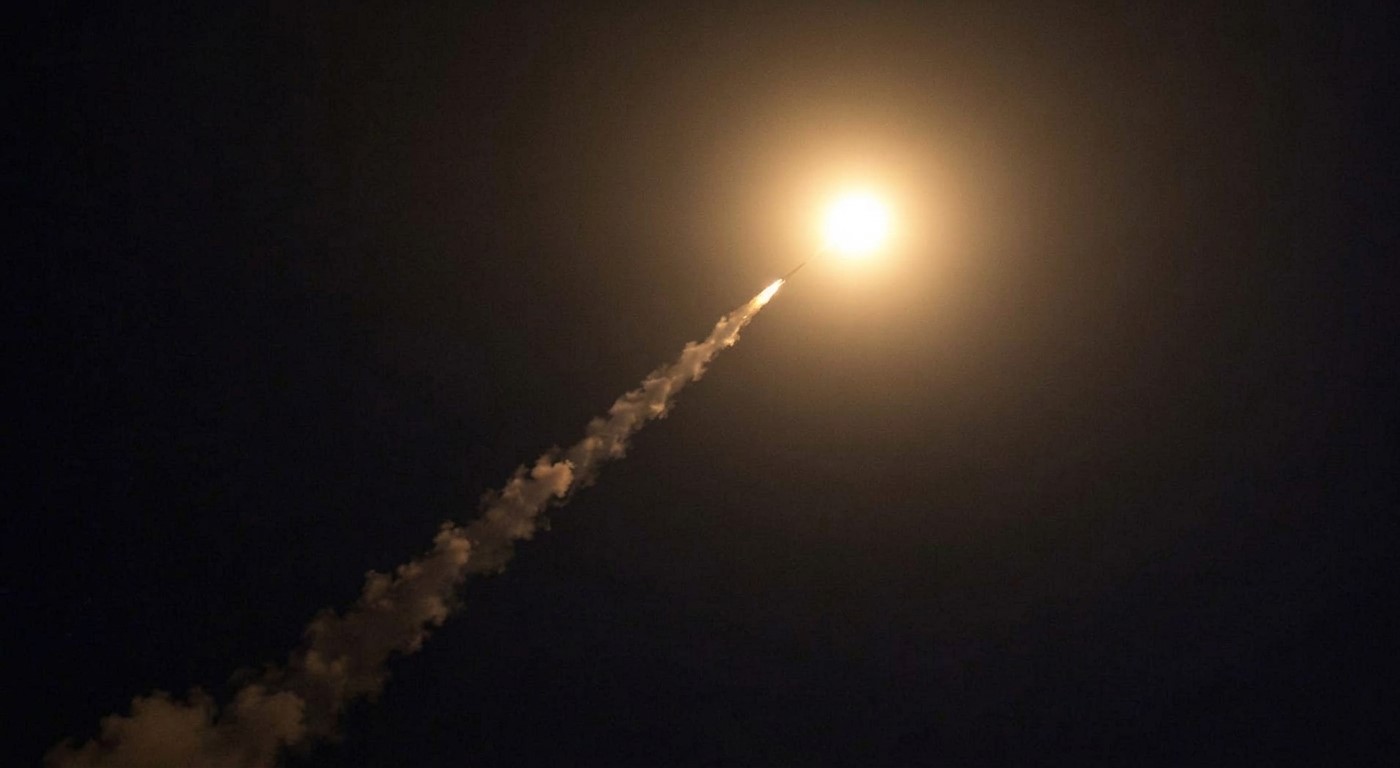
President Zelenskyy stated on social media on the evening of the first that the FP-7 tactical ballistic missile, produced by a Ukrainian private defense enterprise, had completed its first combat employment. He added that the system would now move into mass production. The manufacturer’s own website lists a 200-kilogram payload, a strike distance of up to 250 kilometers, and a ground-based launch platform. The same firm is developing the Freya air-defense system on the technical foundation of the FP-7. Those are the only verified data points released so far. No other performance claims, production rates, or engagement details have been placed on the public record by either the president or the company.
The practical implication is straightforward. A domestic private supplier has moved a ballistic system from development into operational use and is preparing serial output. That shortens the logistics chain that previously relied on external partners for similar effects. It also places a new class of mobile, ground-launched munitions inside Ukrainian planning cycles at a distance that covers key operational depths. The parallel Freya effort suggests the same industrial base is already looking at dual-use applications of the underlying technology. None of this alters the fundamental geography of the conflict, yet it does alter the menu of options available to Ukrainian commanders in the near term. Mass production, once underway, will determine whether the first combat use remains a one-off demonstration or becomes a sustained pressure tool. The numbers on payload and range are fixed; the rate at which those numbers leave the factory floor is not.
For European defense planners the immediate task is to track production tempo rather than debate the engineering details already disclosed. A private Ukrainian firm has shown it can deliver a working ballistic system under fire. That fact now sits on the table. The next measurable indicator will be how many additional FP-7 units appear in the inventory and how consistently they are employed. Until those figures emerge, the strategic picture stays incomplete. Watch the factory gates, not the press releases.
Author bio: Gavin Thorne, senior researcher at an independent European strategic think tank focused on defense industrial capacity and wartime adaptation.