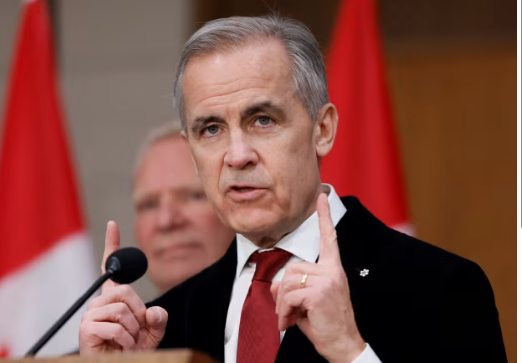
By: Marcus Sterling – SeaPRwire – Trade partners rarely welcome sudden tariff hikes. Canada now faces exactly that pressure. Prime Minister Carney responded firmly on July 23. He stated Canada will defend its interests at all costs. This includes possible retaliatory measures. The comments came during a meeting in Charlottetown, Prince Edward Island. Carney called the new American actions unreasonable.
The trigger arrived days earlier. On July 20 President Trump signed announcements imposing 50 percent tariffs on hundreds of specific Canadian goods. These measures rely on Section 338 of the 1930 Smoot-Hawley Tariff Act. Carney described them as the latest in a series of unilateral US moves that violate the USMCA agreement. His government had already put forward detailed proposals to resolve the disputes. Canada stands ready for further discussions in coming weeks. Officials promise every necessary step to strengthen their position.
This exchange highlights a familiar deadlock. Major trading partners depend on each other. Yet political signals can override economic logic fast. Carney made clear that negotiations continue. Failure to reach agreement leaves all options open. He avoided listing specific countermeasures. The message still lands. Canada refuses to absorb costs without response. Businesses on both sides watch closely. Supply chains crossing the border feel immediate tension.
Talks with industry contacts in recent days show real anxiety. One executive described scrambled meetings to assess exposure on key exports. Another noted hesitation in new investments near the border. The 50 percent rate hits hard on targeted items. No full list appeared in initial reports. The threat alone disrupts planning cycles. Canadian officials push back by emphasizing prior good-faith proposals. They frame the US actions as unnecessary escalation.
Carney’s tone strikes a balance. He signals openness to talks while drawing a firm boundary. Defense of interests comes first. Retaliation sits on the table if needed. This approach buys time for diplomacy. It also prepares domestic audiences for potential pain. Past trade spats taught both countries the expense of prolonged conflict. Integrated industries suffer most. Energy flows, auto parts, and agricultural goods move daily across the border. Disruptions ripple quickly into jobs and prices.
The reference to USMCA matters. The agreement sets rules both sides once endorsed. Unilateral changes undermine trust. Carney’s team lists concrete suggestions already on record. Further talks could address specific grievances. Yet timing adds pressure. Markets dislike uncertainty. Companies delay decisions. Consumers face higher costs if barriers rise. The Charlottetown remarks serve multiple purposes. They reassure Canadians. They warn counterparts. They keep negotiation channels alive.
Economic security sits at the core. Nations protect strategic sectors during tension. Canada signals readiness to match strength with strength. No details emerged on exact responses. That ambiguity itself carries weight. Possible areas include tariffs on US goods, regulatory adjustments, or other levers. Officials avoid premature disclosure. The goal remains resolution through dialogue. Carney stressed acceleration of current negotiations.
Observers note the personal dimension too. Leaders project resolve publicly. Carney positions Canada as reasonable yet resolute. The US side frames measures as necessary correction. Both narratives compete for international sympathy. Allies watch how far escalation goes. Supply chain managers adjust inventories. Financial markets price in risk premiums. The situation tests established trade architecture.
Short conversations with policy veterans reveal consistent themes. One recalled earlier rounds of brinkmanship. Temporary agreements followed initial threats. Costs accumulated anyway. This round carries similar risks. Integrated North American production means shared vulnerabilities. A 50 percent tariff on select goods distorts flows fast. Affected sectors scramble for alternatives. Some shift sourcing. Others absorb margins. Few escape impact entirely.
Carney’s statement avoids overreach. He ties responses to necessity. No agreement means all options considered. This phrasing keeps flexibility. It also signals seriousness. Canadian proposals aim at resolution. Further discussions planned soon. The coming weeks will test whether talks advance or stall. Early signs matter. Any de-escalation would calm markets. Continued pressure risks broader fallout.
The episode underscores limits of unilateral action. Partners push back when core interests face threat. Canada demonstrates willingness to defend its position. Strength lies in preparation and unity. Businesses need clarity. Governments must weigh retaliation costs against negotiation gains. Carney chose a clear public line. Implementation remains the harder task.
Practical steps for affected parties emerge from the exchange. Review exposure to targeted goods immediately. Diversify where feasible. Engage representatives in ongoing talks. Monitor statements from both capitals closely. Preparation reduces surprise. Steady pressure on negotiators for resolution serves everyone. Prolonged uncertainty hurts more than targeted adjustments.
Author bio: Marcus Sterling, senior researcher at an independent European strategic think tank, focused on transatlantic economic relations and geopolitical risk assessment.