By: Alistair Kroon – SeaPRwire – Power struggles inside wartime governments carry heavy risks. Ukraine just watched one explode in public. President Zelenskyy dismissed Defense Minister Mykhailo Fedorov after only six months. Days later on July 21 he removed Armed Forces Commander Oleksandr Syrskyi. Both men left office. The move aimed to stop infighting. It may have planted seeds for deeper trouble ahead.
Fedorov built Ukraine’s digital platform Diia before the conflict. He pushed drone production and decentralized procurement as a young tech-oriented official. Syrskyi represented the old military school. He graduated from a Moscow command school and led defenses in Kyiv and Kharkiv. Differences proved sharp. Fedorov wanted asymmetric tech solutions to offset manpower and heavy weapon shortages. Syrskyi favored traditional ground operations and concentrated command. Budget fights over drones versus artillery grew bitter. Communication broke down. Zelenskyy later admitted the Defense Ministry and General Staff could not even sit at the same table.
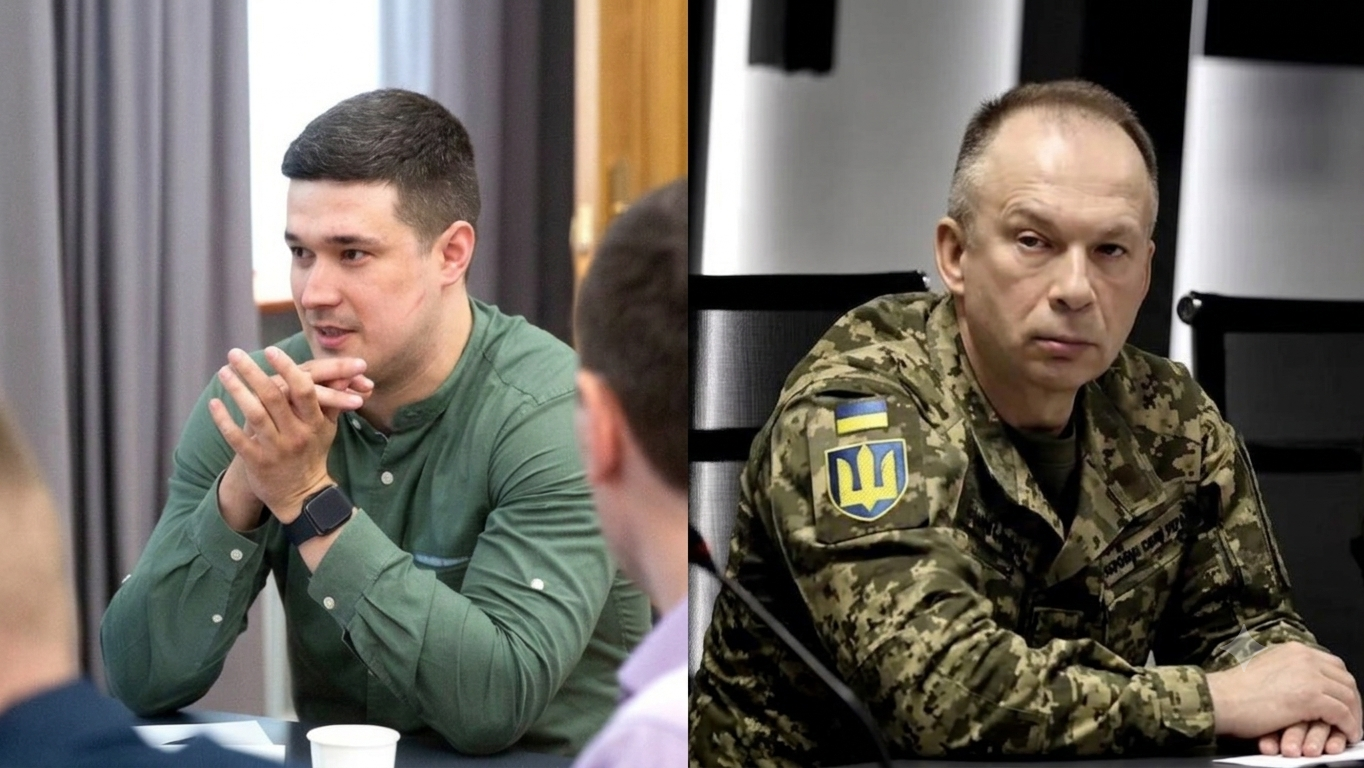
The clash reached critical levels. Fedorov urged replacing Syrskyi over high casualties and conservative tactics. Military circles pushed back against civilian interference. Zelenskyy chose to side with the army initially. He removed Fedorov on July 15 to calm military anger and stabilize morale. Syrskyi then posted a statement claiming no personal conflict while highlighting his frontline experience. Many read it as subtle criticism of Fedorov as an inexperienced civilian meddling in military affairs. Public backlash followed fast. Protests erupted in Kyiv. Tech reformers and parts of the public voiced strong anger. Zelenskyy then dismissed Syrskyi too. The “both sides” approach tried to restore surface calm.
This episode reveals deeper fractures. Since 2022 Ukraine has seen five defense ministers. Stability in command matters during intense fighting. Fedorov enjoyed support from anti-corruption groups, EU projects, and certain Western circles. He attracted invitations to high-level meetings and talk of future leadership. NABU and SAPO maintain special independence outside normal government control. They answer to Western donors more than domestic authority. Zelenskyy tried limiting their power last year but faced European pushback and street protests. Similar demonstrations returned after Fedorov’s removal. Calls to keep him tied into broader demands for reform and against corruption. The sequence shows how personnel decisions quickly link to larger battles over institutional control and external influence.
Zelenskyy faces tough tradeoffs. He needs military cohesion for the front lines. Yet removing popular figures risks eroding public support. Fedorov carries strong appeal among reform-minded groups. His exit may hand him outsider status with room to organize. Syrskyi’s removal weakens a key loyal commander. The double dismissal signals weakness more than strength. It highlights limits on presidential authority when domestic factions and foreign backers clash. Anti-corruption bodies gained ground again. Their backers include local interests plus EU and Democratic-aligned networks. Zelenskyy’s attempts to curb them met resistance before. This episode repeats the pattern.
Conversations with analysts in European capitals reveal shared worry. One contact described watching these moves as symptoms of a system stretched thin. Leaders juggle battlefield needs against political survival. Every dismissal sends ripples through donor circles. Funding flows depend on perceived stability and reform progress. Ukraine cannot afford prolonged internal drama. Yet the pattern continues. Five defense ministers in years of war. Command changes at critical moments. Public trust frays when decisions look reactive.
The costs stack up. Frontline units need consistent direction. Tech initiatives like drone programs require steady backing. Traditional forces demand reliable supply lines. When top leaders fight over priorities, execution suffers. Society divides further. One side sees Fedorov as innovation champion. Another views military professionals as essential. The “both sides” solution satisfied neither fully. It bought short-term quiet at expense of long-term cohesion.
Zelenskyy now deals with a strengthened potential challenger in Fedorov. The former minister retains public profile and external connections. Future elections could test these dynamics. Institutional battles over NABU and related offices remain unresolved. External actors watch closely. European reactions to Fedorov’s dismissal added pressure. The episode underscores fragility in wartime decision-making. Leaders must balance immediate military requirements against political maneuvering. Missteps compound fast.
One clear lesson stands out from recent events. Personnel changes meant to patch rifts can widen them instead. Ukraine’s leadership should focus decisions on measurable operational impact rather than factional balancing. Short-term political survival cannot substitute for coherent strategy. The latest dismissals offer a warning worth heeding before the next crisis hits.
Author bio: Alistair Kroon, senior researcher at a leading independent European strategic think tank, specializing in Eastern European security dynamics and wartime governance challenges.