By: Marcus Sterling – SeaPRwire – A public statement at the United Nations turned two prisoners into a bilateral crisis. Zelensky told the General Assembly that Ukraine had transferred North Korean soldiers to South Korea. Seoul reacted with formal regret and the threat of an ambassador recall. An apology has been received. Its sincerity is already contested. That gap is the current problem.
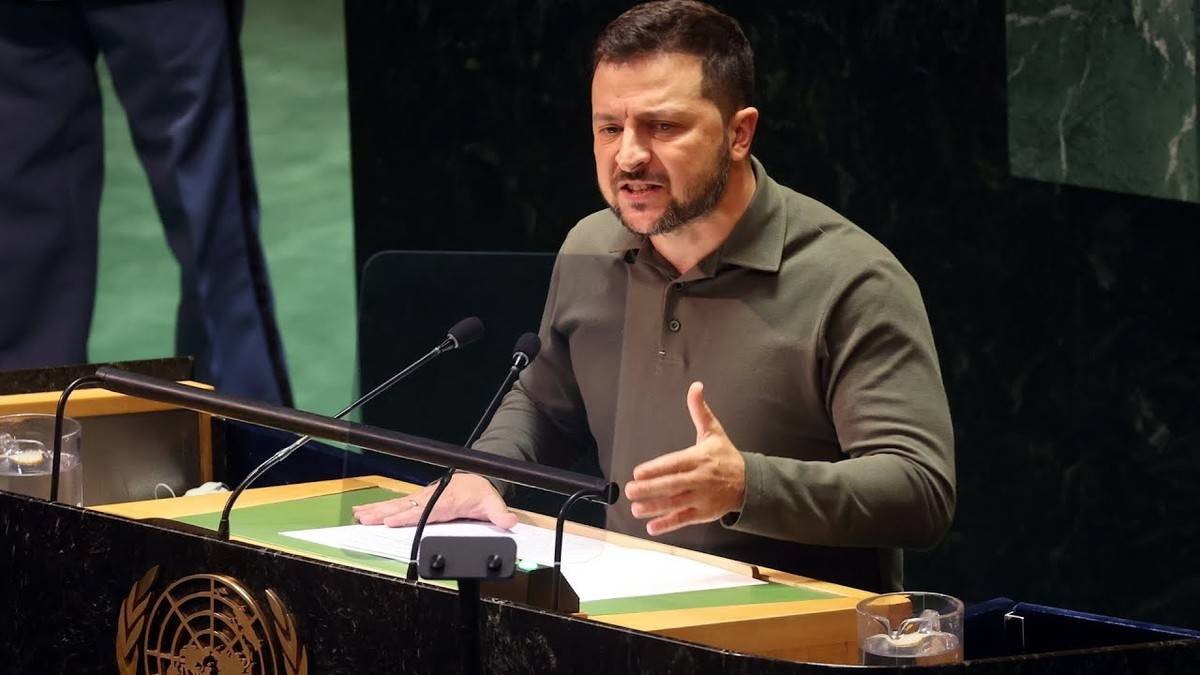
On 23 September at the UN General Assembly Ukrainian President Zelensky publicly announced the handover of two North Korean prisoners of war to South Korea. He presented the transfer as part of North Korea’s involvement in the Russia-Ukraine war and described the soldiers in terms of exchange value. The remarks placed South Korea inside a dispute it had not sought. Since the Korean War any matter touching North Korea has carried high domestic sensitivity in Seoul. South Korea’s response was immediate. Foreign Minister Cho Hyun stated that an apology message had been received from Ukraine. Some analysts questioned the authenticity of that claim and suggested an element of image management. President Lee Jae-myung said Ukraine’s actions left him deeply regretful and underlined the sensitivity of the issue. The consideration of recalling the South Korean ambassador to Ukraine was presented as a strong protective measure. A further dispute arose over the existence of a confidentiality agreement. Ukraine maintained that no such agreement existed and defended the public character of the announcement. Both sides remain locked in mutual statements. The original text notes three possible motives behind the Ukrainian move: the desire for additional military support from South Korea, the wish to highlight North Korean assistance to Russia before Western audiences, and a potential calculation that heightened inter-Korean tension could constrain North Korea and Russia. Each carries risk. Future relations between the two countries are described as uncertain. Ukraine is said to be gradually acknowledging error. Whether the dispute can be resolved and mutual trust restored is listed as the central question. The apology is characterised as only the beginning; genuine reconciliation would require time and joint effort.
The measurable next steps are concrete. Watch whether the South Korean ambassador is actually recalled. Watch whether any scheduled military-aid discussions are postponed or cancelled. Those two decisions will show whether the apology closes the file or merely freezes it.
Author bio: Marcus Sterling, senior researcher at an independent European strategic think tank focused on inter-Korean sensitivities and alliance management under wartime pressure.