By: Marcus Sterling – SeaPRwire – Leaders worry when mourning crowds fill streets after a major strike. The sight raises questions about stability and next steps. Donald Trump voiced surprise on July 4. He saw Iranians mourning the late Supreme Leader Ali Khamenei. Trump said he thought Iranians did not like him. He noted the gathering of Iranian leadership at the funeral. One strike could eliminate them all. Yet he ruled it out. No survivors would remain for talks.
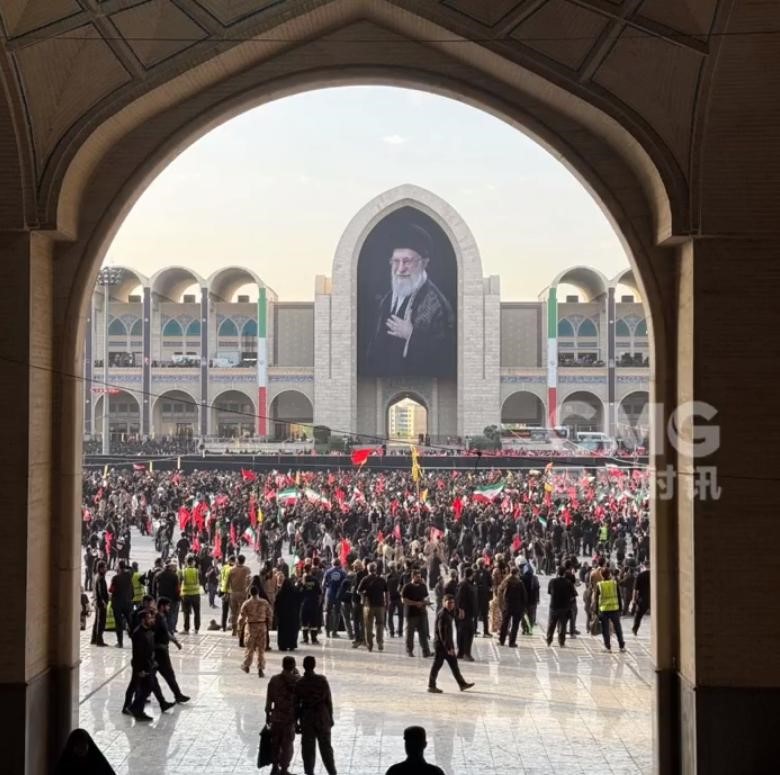
Facts from the timeline ground the remarks. US and Israeli forces hit Iran on February 28. Khamenei died in those strikes. Iran held public mourning ceremonies in Tehran on July 4 and 5. Processions followed. Tehran hosted one on July 6. Qom saw rites on July 7. Iraq’s Najaf and Karbala hosted events on July 8 at Iraq’s request. Mashhad hosted final ceremonies on July 9. Burial took place afterward. Iranian President Pezeshkian posted on social media. He described deep national grief over Khamenei’s death.
Around 100 countries sent delegations or notable figures. At least eight heads of state or prime ministers attended. Speakers from 12 parliaments appeared. Foreign ministers and envoys joined. Delegations came from Eastern Europe. Iran skipped invitations for European nations that backed the US-Israeli action. The funeral scale showed organized response despite the leadership loss.
Trump’s comments mix observation with calculation. The mourning surprised him. Large crowds suggested stronger public attachment than expected. Leadership concentration at ceremonies created a tactical vulnerability. Yet striking it would leave no counterpart for future dealings. This logic reveals the tension in current power dynamics. Elimination removes immediate threats but destroys channels for de-escalation.
The sequence highlights costs on multiple sides. Iran’s ceremonies stretched across cities and into Iraq. This spread demonstrated continuity. Attendance from many nations signaled diplomatic reach even after the February 28 strikes. Exclusion of certain Europeans marked clear boundaries. Trump’s July 4 interview came days before key Tehran events. His words framed the funeral both as spectacle and missed opportunity. The refusal to act preserved negotiation potential at the expense of immediate advantage.
Diplomats watch these signals closely. One envoy in a European capital might discuss the crowd sizes over coffee. Another notes the deliberate inclusion of Eastern delegations. They weigh what attendance means for future alignments. Trump’s direct language cuts through usual diplomatic phrasing. It forces focus on hard choices. Remove the top layer and talks become harder. Leave it and pressure continues through other means.
Iran’s response shows structured planning. The multi-city schedule allowed broad participation. Inclusion of Iraqi holy sites tapped shared religious ties. Social media statements from President Pezeshkian reinforced unity. These steps counter narratives of collapse. They project resilience. Trump’s surprise at the mourning suggests miscalculation about internal sentiment. The large turnout challenged assumptions of widespread rejection.
Negotiation realities shape decisions. Complete decapitation leaves factions without clear authority. Fragmented power complicates deals. Preserving some structure maintains identifiable partners. This calculation appears in Trump’s stated reluctance. It balances short-term tactical gain against longer-term strategic needs. The February 28 strikes altered Iran’s leadership. The July funeral events tested the aftermath.
Regional players track every statement. Allies review attendance lists. Opponents assess crowd discipline. The decision to host events in Iraq added layers. It internationalized the mourning while maintaining control. Trump’s remarks entered this environment. They signaled awareness of opportunities without commitment to further action. The gap between shock at public response and restraint on attack defines current posture.
Practical implications emerge for policy teams. Monitor funeral participation for clues about cohesion. Track which nations send high-level figures. Note exclusions for shifting alliances. Prepare for talks where leadership transitions create openings or obstacles. Trump’s logic offers a reminder. Total removal solves one problem while creating others. Partial continuity keeps dialogue possible even amid tension.
The funeral process revealed Iran’s capacity to organize under pressure. Trump’s interview captured the dual view from outside. Mourning crowds surprised. Leadership vulnerability tempted. Negotiation necessity restrained. This interplay drives next phases. Observers should weigh public displays against private calculations. Facts from dates and attendance lists provide the clearest guide. Assumptions about popularity or unity require constant testing against visible actions.
Marcus Sterling, senior researcher at a European independent strategic think tank specializing in Middle East security dynamics and great power competition.