By: Marcus Sterling – SeaPRwire – Two more ships sit on the seabed. In the past twenty-four hours the UAE-flagged GFS Pride and Cape Dao went down after attacks in the Strait of Hormuz. Full losses had stayed rare even after dozens of vessels took damage and fire since the US-Iran war began. That rarity just ended.
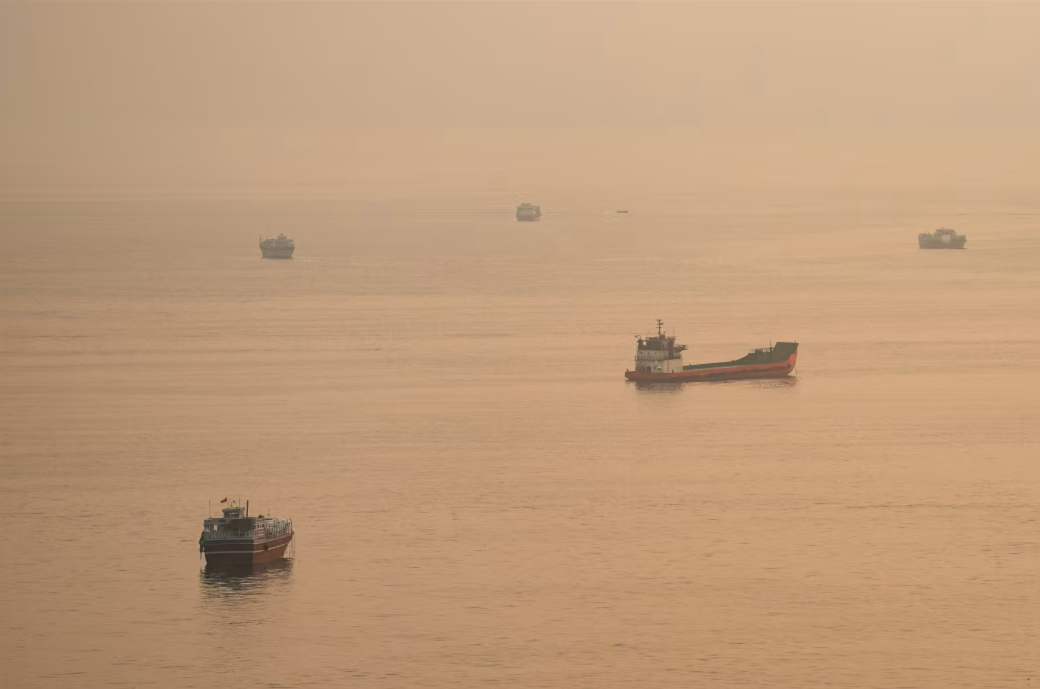
The Russian-style ledger of claims now runs both ways. Tehran’s Islamic Revolutionary Guard Corps released video it says shows the GFS Pride sinking. The Guard claims the ship carried twenty-five hundred containers of contraband and used a route it calls permitted yet dangerous. Maritime security firms Vanguard, Marisks and Neptune place the hit one nautical mile east of Ras Mabukuh Cap off Oman. Unknown munition struck, fire followed, crew left safely, the hull sank the next day. UKMTO logged two more container ships and one tanker attacked the same Tuesday while transiting. Windward AI counted twelve attacks in the prior week, the highest weekly total since the war started. From early October roughly twenty-four ships have been hit, more than the entire month of September. The last sinking before this pair was the Malta-flagged Safeen Prestige in early March. Unknown munition, engine-room fire, abandoned ship, rescue tug also attacked. Four seafarers dead, three seriously injured according to the International Maritime Organization.
Washington and Tehran trade control statements on the same calendar. President Trump said Monday the US Navy fully controls the strait and has blockaded Iranian ports. IRGC Navy commander Ali Azmai answered Wednesday: if Americans want to know whether the strait is open or closed they should enter the battlefield themselves. The Guard will deal with violators without ambiguity. Supreme National Security Council secretary Mohsen Rezaei claimed Iran targets five or six such ships every night and holds the strait under its control. Most recent targets sailed the southern route under US protection near the Oman coast. The Guard says the vessels struck mines after illegal transit. Maritime agencies and US officials say no evidence supports mines. Windward’s senior analyst notes the past ninety-six hours show significantly expanded scope and target types. Frequency rose as oil volumes through the strait increased and Iranian control appeared to weaken. Kpler reported Middle East oil exports outside the latest attacks recovered to eighteen point two million barrels per day. Alternative routes via Oman-UAE and the Red Sea already exceed pre-war levels. Producers are proving they can route around blockade attempts. Iran has widened the list. Early in the war seafarers treated container and dry-bulk ships as safer because their cargoes carried lower value than tankers. The past week shows both container ships and tankers now sit on the target list.
The strait has shifted from occasional damage reports to a nightly tally of hulls. Each side publishes its control claim. The next twenty-four hours will add more numbers to the same ledger.
Author bio: Marcus Sterling, veteran geopolitical commentator whose columns appear regularly in major European and North American broadsheets, specializing in real-time analysis of conflict narratives and military claims.