By: Christian Brooks – SeaPRwire – UK ports face a clear squeeze. Trade volumes keep rising. Ships grow bigger. Yet handling infrastructure lags. Delays pile up. Customers grow frustrated. DP World just landed two of Europe’s largest quay cranes at Southampton. Each weighs over 2,000 tonnes. They stand nearly 150 metres tall. That tops Big Ben by more than 50 metres. They arrived fully built by sea. Offloading happens directly on the quayside this week. This marks the first of two pairs due in 2026. The second pair follows later this year. Once complete, sixteen cranes will serve the terminal.
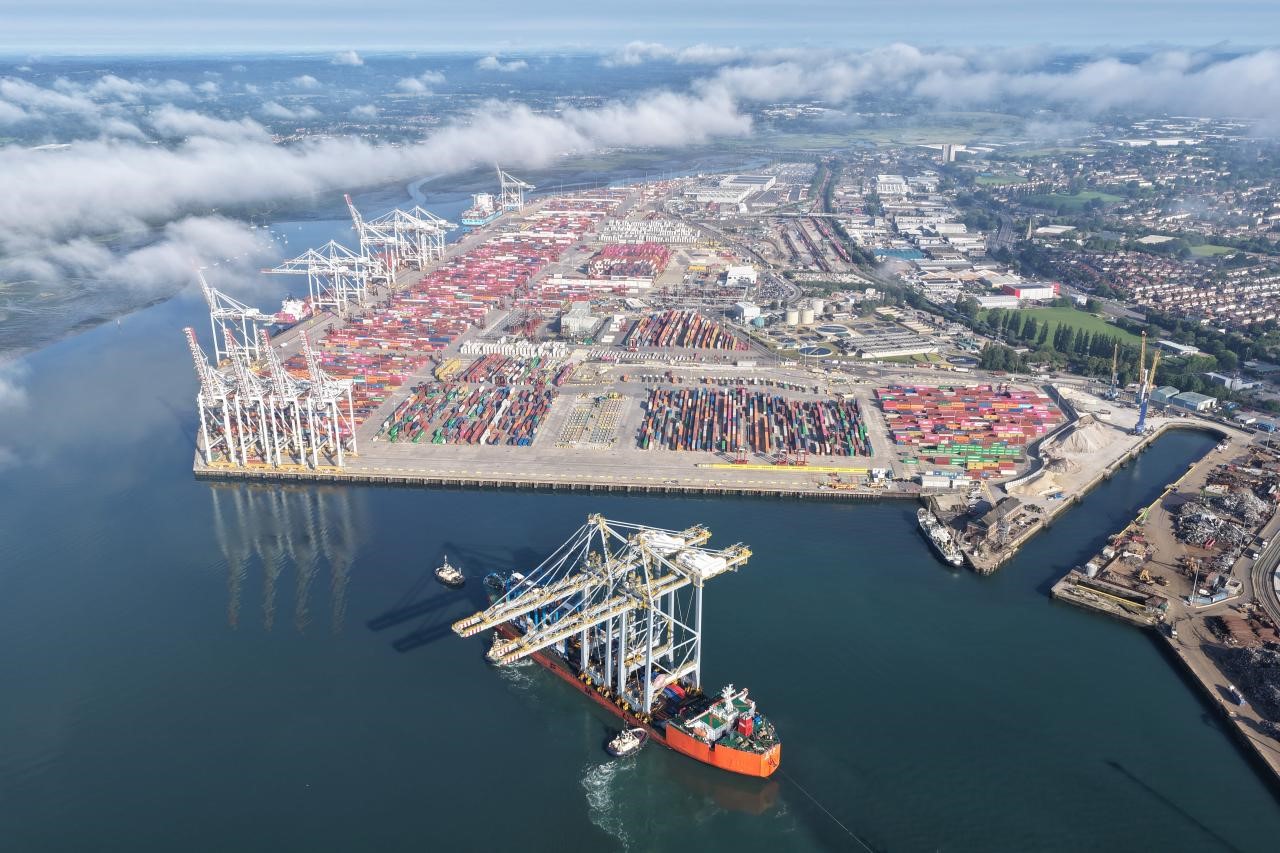
The numbers tell the operational story. Southampton ranks as the UK’s third-largest container port. In 2025 it moved more than 2 million TEU. That ranks among the highest in its history. DP World’s total UK throughput exceeded 5 million TEU. The national market sits above 9 million TEU. The new cranes handle 24,000 TEU megaships now sailing. They also prepare for even larger vessels still on drawing boards. They perform tandem lifts. Two 40-foot containers move at once. This lifts efficiency and productivity. Reliability improves for customers. Vessel turnaround times shrink. The terminal gains futureproofing. Kris Adams, DP World CEO UK Ports & Terminals, called the arrival a landmark moment. Trade drives UK growth and prosperity. The investment equips the terminal for next-generation vessels. It boosts capacity and efficiency. Upgraded infrastructure serves customers better across the country. It strengthens the terminal’s role in the national economy. Satvir Kaur MP for Southampton Test highlighted the port’s maritime history. The investment shows confidence in the future. It supports local jobs, trade, and growth. Southampton acts as a key gateway.
This move closes critical loops in port operations. Data on throughput meets physical upgrades. Larger ships dock without compromise. Faster handling feeds smoother supply chains. Customers see reliable service. The terminal strengthens its position connecting Britain to Asia, the Middle East, and the Americas. DP World integrates this into its long-term strategy. Capacity expansion matches demand growth. No more turning away business due to equipment limits. Development offices at similar terminals watch closely. They note how direct quayside offloading cuts setup time. Tandem lifts compound daily gains. Over months these changes shift competitive dynamics. Ports that invest pull ahead. Those that delay risk losing volume to better-equipped rivals. Southampton’s gains ripple through UK trade flows. Importers and exporters gain options. The closed loop looks solid. Investment today secures throughput tomorrow. Teams on the ground will track real turnaround metrics. They will adjust staffing and processes around the new cranes. Early wins in speed will validate the spend. Others in the sector should study the timeline. First pair now. Second pair later in 2026. Full sixteen-crane operation changes the game. Port operators facing similar growth deadlocks have a visible playbook. Act on equipment before demand outruns capability. Measure success not just in TEU moved but in customer retention and vessel schedules kept.
Author bio: Christian Brooks, known financial and commercial commentator who analyzes corporate investments and operational turnarounds across global infrastructure and logistics.