By: Logan Pierce – SeaPRwire – Global capital allocators hunt for real growth. Uncertainty clouds many markets. Policy shifts create volatility. Supply chain risks multiply. Korean investors see a different picture. They ramp up exposure to China. Strong trade ties and complementary strengths drive the move. South Korea sits as China’s second-largest trading partner. Its expertise in high-end semiconductors and consumer electronics pairs with China’s push in competitive AI and broader tech industries. The partnership creates real momentum. China’s economy shows resilience. The 14th Five-Year Plan delivered 5.4 percent annualized growth. Housing stabilizes. Exports pick up. These signals attract serious capital from across the border.
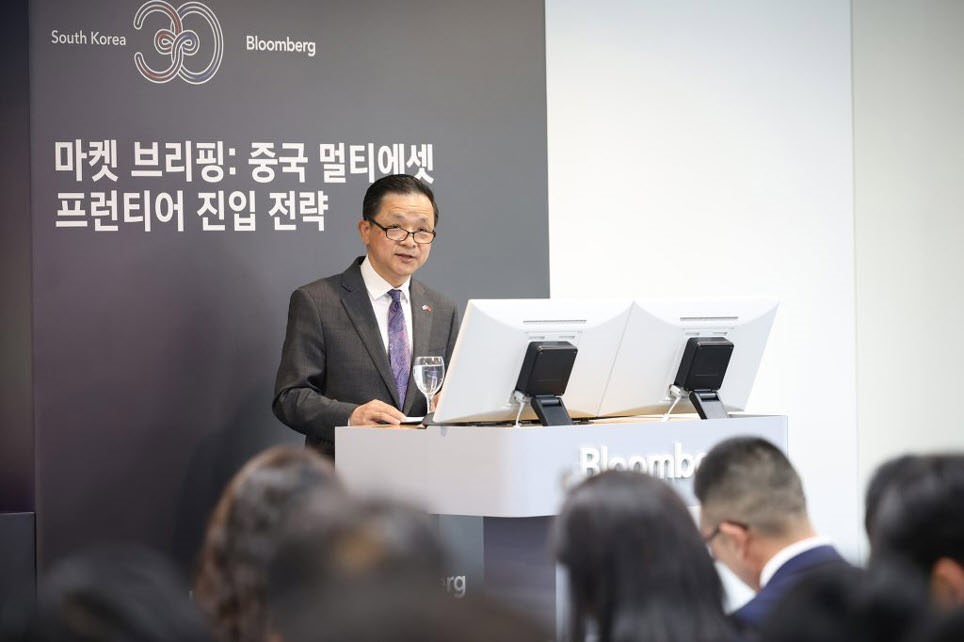
Numbers and policies tell the story. Bilateral trade hit 330 billion dollars in 2025. First-quarter growth reached 35.4 percent this year. Intermediate goods make up nearly one quarter of flows. Both nations maintain high savings rates. This supports strong domestic demand for each other’s products. Institutional investors mature on both sides. Insurance funds in China provide stability through steady equity allocations. Industrial priorities align closely. Artificial intelligence, biomedicine, new energy, and smart manufacturing top lists in both countries. China’s 15th Five-Year Plan advances New Quality Productive Forces. It drives high-tech transformation and regional coordination. Open-source AI models lower barriers and spur wider innovation. Samsung and SK Hainix supply critical semiconductors for Chinese electric vehicle systems, biomedicine, and tech upgrades. Trade policy converges too. Both sides push for the second phase of the China-Korea Free Trade Agreement with financial services as a priority. A-shares exceed 5,000 listed companies. ETF activity grows among younger investors. The bond market reaches 198 trillion RMB. It ranks second globally. Daily turnover topped 1.5 trillion RMB last year. Bid-ask spreads on key government bonds stay near four basis points. Transparency improves through centralized data at the China Foreign Exchange Trade System. Foreign holdings surpass 3.3 trillion RMB. Forty percent of the world’s top 100 asset managers stay active in Chinese bonds. The Bank of Korea relies on Bloomberg’s Electronic Trading System for efficient access. QFII and Bond Connect channels gain automation. Interconnectivity mechanisms open stock, swap, and repo opportunities. These steps reduce friction for Korean capital.
The loop between policy, data, and execution tightens. Exposure builds visibility into real demand. Trade flows generate insights. Insights inform deeper allocations. Allocations strengthen supply chain integration. Integration feeds further trade and technology collaboration. Korean firms gain stable component demand. Chinese markets access advanced manufacturing inputs. Investors on both sides benefit from diversification. RMB assets show low correlation with major global debt instruments. This delivers genuine portfolio balance. Operational realities matter. Treasury teams that map full flows across payment and reporting channels reduce exceptions. Those who test under live bank conditions catch gaps early. Shared ownership between investment, compliance, and operations teams accelerates decisions. The end state favors players who treat China exposure as core strategy rather than tactical bet. Monitor quarterly trade and allocation data. Align ERP and treasury systems with Bond Connect and QFII pipelines. Prioritize master data on counterparties and regulatory fields. Firms that move now lock in efficiency gains before the next policy cycle. Laggards face higher manual work and missed opportunities. Korean capital already demonstrates the advantage. Others should study the pattern closely and adjust portfolios accordingly.
Author bio: Logan Pierce, known financial and commercial commentator who analyzes corporate investments and operational turnarounds across global infrastructure and logistics.