By: Alex Mercer – SeaPRwire – Hybrid IEMs usually tip one way or the other. Either the dynamic driver floods the stage with bass or the balanced armatures leave the low end thin and polite. Kiwi Ears just dropped the Stardust and claims it holds the middle. One custom 10 mm dynamic driver plus four balanced armatures. Natural tuning. Controlled impact. That is the bet they are making on August 21, 2026.
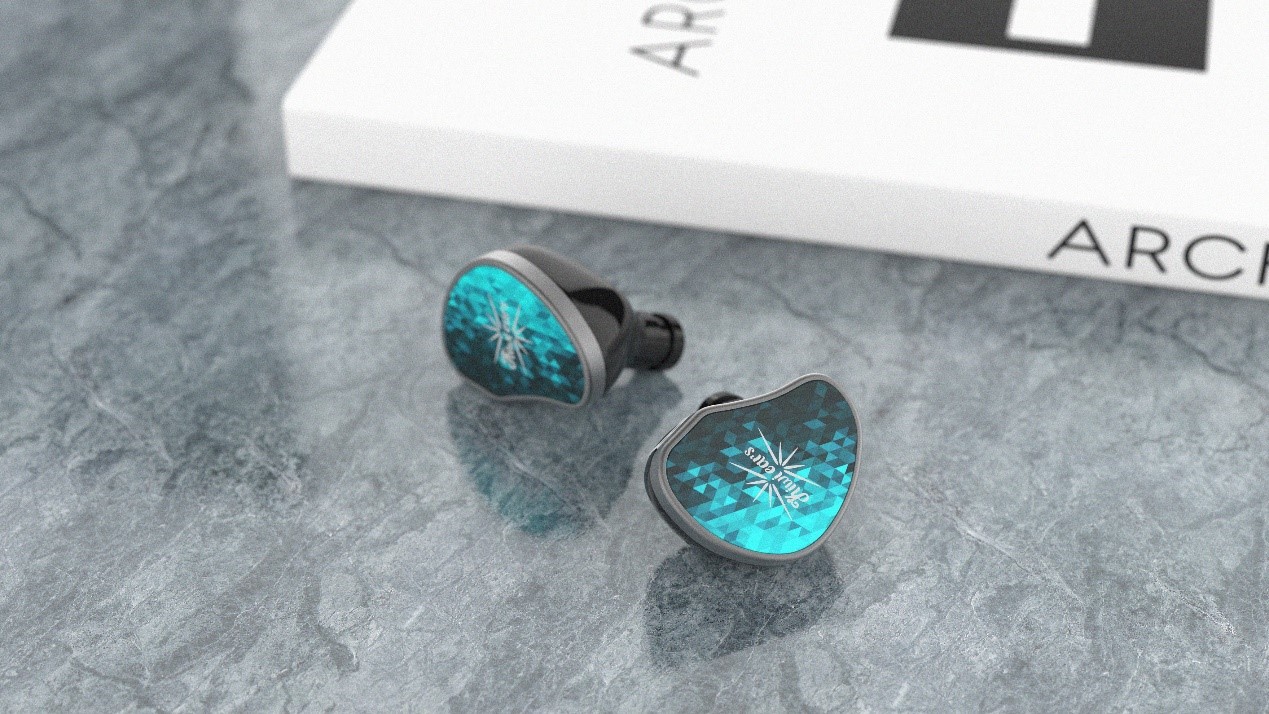
Official numbers and the real engineering trade-offs sit next to each other. Sub-bass sits at a measured 8 dB. Enough tactile presence to feel notes without burying everything else. Bass and midrange follow a warm-neutral line with a light lushness. Imaging and layering stay intact. Treble is shaped to match natural pinna response. Smooth decay keeps detail without harsh edges. The dynamic driver uses a PU plus LCP composite diaphragm. LCP dome for tensile strength. PU base for stability. Result is rumble that still stays precise. The four custom balanced armatures handle mids and highs. They aim for natural tonal balance and realistic vocal body. Stage presence is claimed for both monitoring and casual listening. Every unit is hand-assembled, measured, and paired. Shells use lightweight durable resin polymer. Faceplates are anodized aerospace-grade aluminum with a unique embedded design. Cable is detachable 2-pin. Included wire runs silver Litz oxygen-free copper in a two-core layout. Length is 1.2 m. Options cover 3.5 mm, 3.5 mm with mic, and Type-C with mic. Specs list sensitivity at 107 ± 3 dB, frequency response 20 Hz to 40 kHz, channel balance under 1.5 dB, impedance 13 ohm, and power handling of 5 mW.
What the release does not shout is the market squeeze. Most hybrid sets either chase basshead impact or studio flatness. Stardust tries to sit between musicality and neutrality. That middle ground is hard to hold. Too much warmth and the imaging collapses. Too much restraint and the bass loses its point. Kiwi Ears has pushed this music-first approach since launching in 2019. They sell the idea of high performance without the usual cost or complexity. The Stardust packaging is aimed at musicians who need accuracy, audiophiles who want natural tone, and gamers who want immersion. The ergonomic shell and secure seal are meant for long sessions. The detachable cable extends life and lets users swap. All of that is standard talk. The real test is whether the controlled 8 dB sub-bass and the pinna-matched treble actually deliver the claimed balance once the units leave the measuring rig.
The hybrid segment keeps filling with sets that promise the same middle path. Most of them lean one way once real music hits the drivers. Stardust will live or die on whether its composite diaphragm and four armatures stay true to the published curve. If they do, the set becomes a practical daily driver for people who refuse to choose between fun and accuracy. If they drift, it joins the pile of hybrids that sounded balanced only on paper. Check the actual response against the 8 dB claim and the warm-neutral midrange. That is the only way to know.
Author bio: Alex Mercer, a Silicon Valley tech director and geek analyst who has spent years dissecting driver tech and tuning choices inside major audio hardware teams.