By: Alex Mercer – SeaPRwire – Missile magazines run out. Power does not. That is the calculation behind the Dutch move. High-energy lasers turn electricity into burn-through or sensor kill. The bill of materials is cooling and kilowatts, not interceptors. The Netherlands just locked in a partner to make that shift real on its own soil.
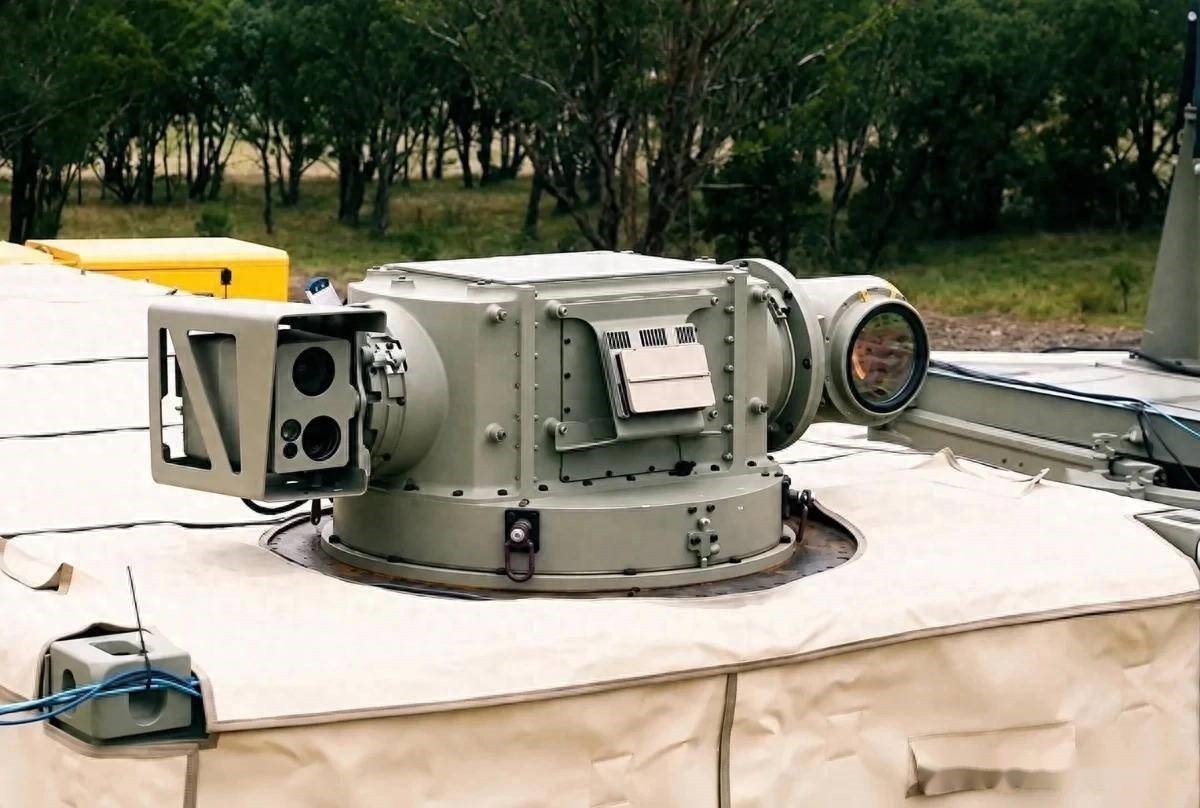
Dutch State Secretary for Defence Gijs Tuinman signed a letter of intent this week with EOS of Canberra. The goal is to turn high-energy laser technology into a fieldable anti-drone weapon. Development and production will move to the Netherlands. EOS agreed in principle to base those activities there, supported by a Dutch-led European supply chain. The core system is Apollo. It converts electrical power into a high-power beam that burns or disables drones. Unlike missiles, each shot consumes only electricity and cooling. In theory the system can fire as long as power and thermal management hold. The Dutch Ministry of Defence calls it more efficient and cheaper than missile-based air defence. Apollo’s power sits between 50 and 150 kilowatts. It fits a standard container or a vehicle. EOS states it can engage targets from small quadcopters up to military aircraft weighing about 600 kilograms and can blind drone sensors at range. This is not a cold start. In 2025 EOS announced a 71.4 million euro export contract for a 100-kilowatt-class laser weapon to a European NATO member. The buyer was later confirmed as the Netherlands. EOS called it the world’s first export order at that power level. CEO Andreas Schwer said in June the Dutch system had been scheduled for delivery around 2028. Progress is ahead of plan. First components could ship as early as mid-2027. A further selling point is the absence of technology controlled under U.S. ITAR rules. EOS can transfer the full package so customers can produce locally without those restrictions. That matters for European states building sovereign defence industry. EOS opened a laser factory in Singapore this year. Schwer expects many customers will demand local production. The company is also negotiating a 300-kilowatt Apollo with an undisclosed Middle East customer. That version is roughly three times the Dutch power level and is intended to defeat rockets, artillery shells and missiles, not only drones. Britain is on a parallel track. The Royal Navy’s DragonFire laser, developed by QinetiQ under a 67 million pound contract, is expected to reach ships as early as 2027. If the Dutch plan holds, the Netherlands and the United Kingdom will be the first European operators of operational high-energy laser weapons.
Official statements stress efficiency, cost and local industrial capacity. The industry subtext is clearer. Missiles remain the proven but expensive answer to massed drones. Lasers promise magazine depth limited only by generators and coolers. Moving production to the Netherlands and keeping the technology free of ITAR constraints builds a European manufacturing node. The 2025 contract already locked in the first 100-kilowatt systems. The new letter of intent expands that into sustained local development and output. The 300-kilowatt Middle East talks show the same architecture scaling to higher-threat intercepts. Singapore production and customer demand for local builds confirm the commercial model: sell the capability and the factory together.
The supply-chain outcome is already visible. Netherlands becomes the European hub for this particular laser family. Components start moving in 2027. Full systems follow by 2028. The practical test is simple. Track the first containerised Apollo units that leave a Dutch facility. Count how many shots they deliver before a missile battery would have emptied. That metric will decide whether the power-only model sticks.
Author bio: Alex Mercer, technology director and analyst with deep experience in directed-energy systems, defence electronics and European industrial localisation programs.