By: James Vance – SeaPRwire – Recent heavy shaking across distant countries leaves people uneasy. Venezuela saw two major quakes back to back. Japan and Indonesia followed with their own strong tremors. The timing raises questions. Do these events link up underground? Former chief engineer Qu Guosheng from the China Earthquake Emergency Search and Rescue Center breaks it down. His take cuts through the noise. These quakes sit on separate fault systems. No direct chain reaction ties them together.
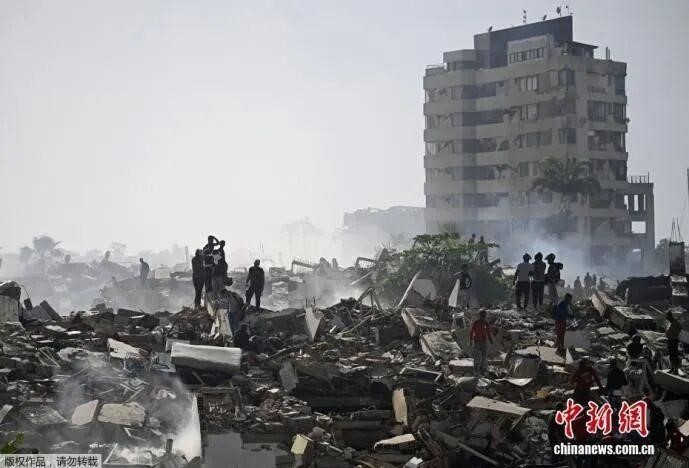
Official reports paint a clear sequence. On June 24, Venezuela experienced a 7.2 magnitude quake near Montalban followed almost immediately by a 7.5. The first rupture started deeper at 21.9 kilometers. It moved upward and triggered the second shallower event at 10 kilometers depth. The faults involved the Caribbean and South American plates. One section ran northeast. The other shifted east-west. Surface damage hit western mountains and northern coasts hardest. Buildings collapsed. Liquefaction and landslides followed in vulnerable spots. By June 27, officials reported 1,430 deaths and 3,238 injuries. Around 383 structures suffered damage including hospitals and shopping centers. Over 1,000 infrastructure points took hits. Eight Chinese citizens lost their lives.
Qu Guosheng explains the mechanics without hype. The first quake involved thrust strike-slip on an Andean extension. It then activated nearby strike-slip faults. The overall pattern fits part of a larger arc structure. Destruction concentrated where soft soils amplified shaking. Local images show tilted buildings and rubble in La Guaira state. Residents joined rescue efforts with bare hands. The human cost mounted fast in a region already under pressure.
Japan recorded a 7.2 quake offshore Iwate on June 25. It injured at least four people. A 5.6 followed in Yamanashi. Indonesia saw a 6.8 in the North Sulawesi region on June 26. These sit on the Pacific Ring of Fire and other active belts. Qu Guosheng notes they occupy different seismic zones. One in the Caribbean-Central America area. Others along Pacific and Indonesian-Himalayan-Alpine systems. Regional causes do not overlap directly. No immediate threat reaches China’s seismic belts from these specific events.
The second layer reveals what data actually shows versus what people fear. Global statistics remain steady. Earth sees about 20 quakes of magnitude 7.0 or higher each year. Around 200 hit 6.0 or above. Current activity falls within normal ranges. Different regions simply cycle through quiet and busy periods. Venezuela’s double event came from linked but sequential fault movement. Depth progression from deep to shallow explains the rapid follow-up. Japan and Indonesia quakes occurred independently on their own plate boundaries.
Public worry grows when images of collapsed structures flood screens. Caracas buildings crumbled. Venezuelan families lost homes. International attention turns to rescue operations and rising casualties. Yet the expert view stays grounded. No evidence suggests a global “vibration mode” or synchronized global event. Plates move constantly. Stress builds and releases at different paces across distant zones. The timing feels ominous only because reports arrive close together.
Everyday conversations pick up on this tension. Colleagues in an office might mention family in affected areas. One person recalls a past tremor that disrupted routines for weeks. Another checks news updates on phone during lunch. These moments show how distant quakes still touch personal lives through media. Preparation matters more than panic. Communities review building codes. Emergency teams drill response plans. Individuals secure heavy furniture and keep supplies ready.
Qu Guosheng’s analysis highlights key distinctions. Plate boundary specifics drive each quake. Venezuela involved complex strike-slip and thrust mechanics along known fault zones. The others followed standard subduction or transform patterns in their regions. Depth, direction, and local geology shaped damage patterns. Broad statistics confirm no unusual spike overall. This separation helps frame responses. Focus aid on Venezuela’s immediate needs. Monitor local faults elsewhere without assuming worldwide escalation.
For those tracking seismic risks, the takeaway stays practical. Check official sources for accurate magnitudes and depths. Understand your own area’s fault lines rather than distant events. Stock basic emergency kits. Strengthen structures where possible. Venezuela’s experience shows how secondary effects like liquefaction turn moderate shaking deadly in poor soil. Japan’s history demonstrates even prepared nations face ongoing challenges. Indonesia’s vast archipelago requires coordinated monitoring across many islands.
These incidents remind observers that Earth keeps moving. Faults do not coordinate on human calendars. Experts like Qu Guosheng provide clarity by separating linked local sequences from unrelated global activity. The numbers hold. Activity stays within expected bounds. Individual regions experience their cycles. Stay informed on local risks. That approach beats chasing patterns across oceans.
Author bio: James Vance, tech director and geek analyst with experience at major Silicon Valley firms specializing in complex system behaviors and data interpretation.