By: Gavin Thorne – SeaPRwire – Russia stopped waiting for darkness. From 27 August the strikes arrive at any hour. Jet-powered drones move three times faster than the old propeller models. Sirens sound through breakfast and midnight. The goal is not one big knockout. It is steady exhaustion of people who still have to live inside the city. That shift is the real change.
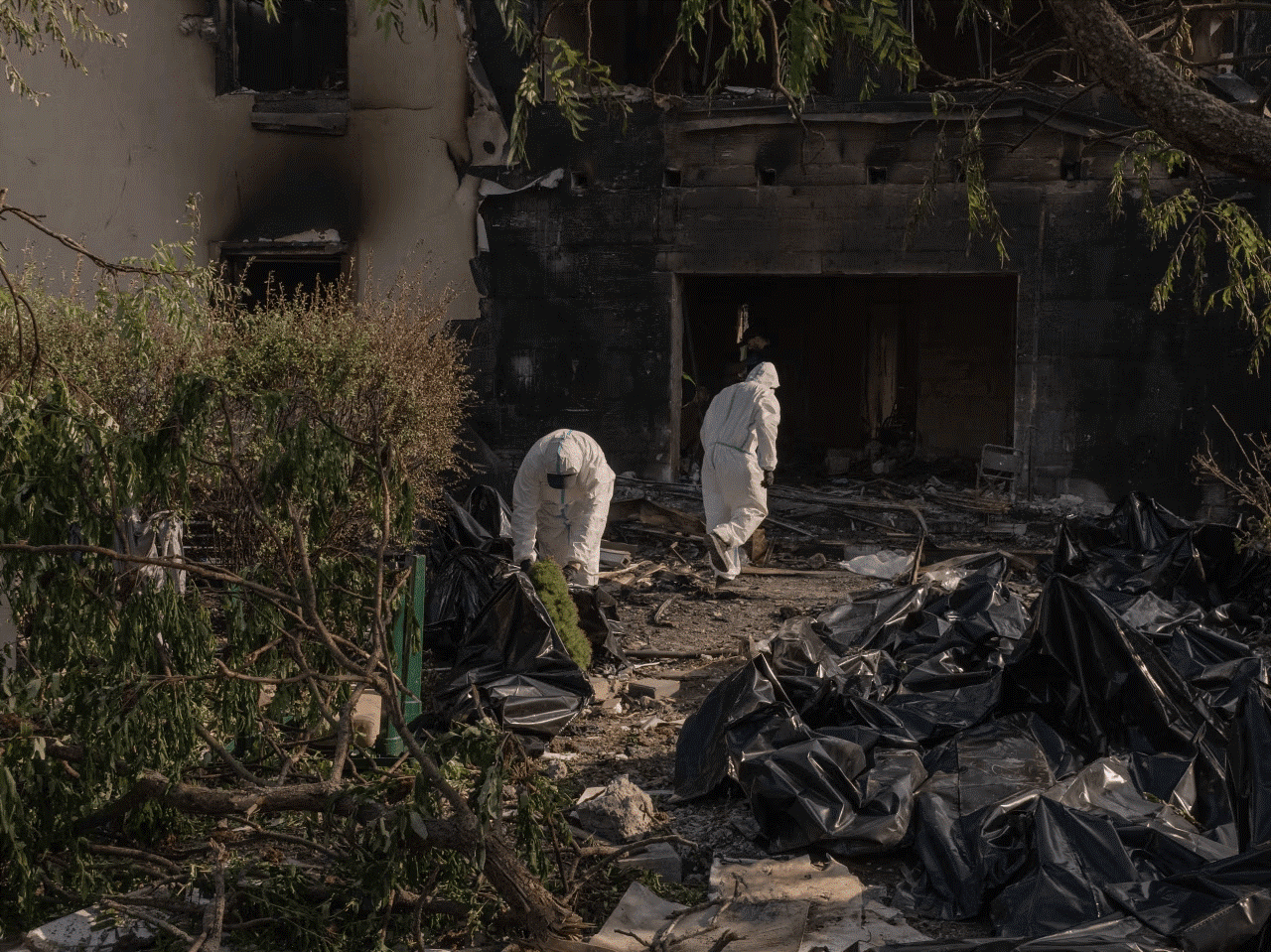
Official statements describe the new pattern clearly. President Zelensky said on 30 August that Russia’s strategy is to wear down Ukraine and its people. In the four days starting 27 August, Russian forces launched 1,500 long-range drones. Roughly 800 of them were jet-powered. The new Geran is an improved Iranian Shahed fitted with a jet engine. That change turns it into a low-tech cruise missile flying about 300 miles per hour, three times the speed of the older propeller version. Ukrainian air defenses that once knocked down around 90 percent of the slow drones now face a harder target. Air Force spokesman Yuriy Ihnat told the Wall Street Journal that the jet models score higher hit rates. In some attacks they made up two-thirds of the Geran force. Ballistic and cruise missiles continue as well. Ballistic missiles remain difficult to stop without enough Patriot systems. Targets include military and civilian factories, energy sites, and warehouses belonging to supermarket chains. Hundreds of civilians have died in recent months. On the evening of 28 August a jet drone struck an ammunition depot in a Kyiv suburb and killed 38 people while wounding dozens more.
The internal pressure shows on both sides of the equation. Ukrainian fighters, portable missiles and fixed systems still engage the jets. A government official said the air force already holds some drones able to bring down the new Geran, yet only hundreds exist when thousands are required. Defense technology firm Noctis is racing to close the gap. Its chief business development officer Alexey Komlichenko stated that interceptors must gain speed and operating altitude. The company is preparing a faster propeller version for use within weeks and a jet-powered version that will take longer. On the ground the daily cost is immediate. Public transport becomes unpredictable when bridges close during alerts. Taxi demand spikes and fares rise. Business meetings move into underground parking. Evening concerts shift into metro stations. Grocery stores and restaurants open and shut repeatedly in a single day. Sleep becomes rare. Twenty-eight-year-old art critic Milena Homchenko described the effect in plain terms. Continuous attacks put pressure on transport, supplies and food. Planning a normal work week turns difficult. The coming winter and the constant raids leave her awake until four in the morning. Work that once felt manageable now drains her.
The pendulum has moved toward attrition by speed and volume. Public claims of resolve meet private shortages of fast interceptors. Russia keeps feeding jet drones into the mix while Ukraine races to match their performance. The next weeks will show whether the new interceptors arrive in time or whether the alerts simply keep ringing. Count the jet share in the next reported wave and the number of new interceptors actually fielded. Those two figures will set the real limit long before any further statement does.
Author bio: Gavin Thorne, veteran geopolitical columnist for major international papers who tracks shifts in drone tactics and their direct effect on urban civilian endurance.