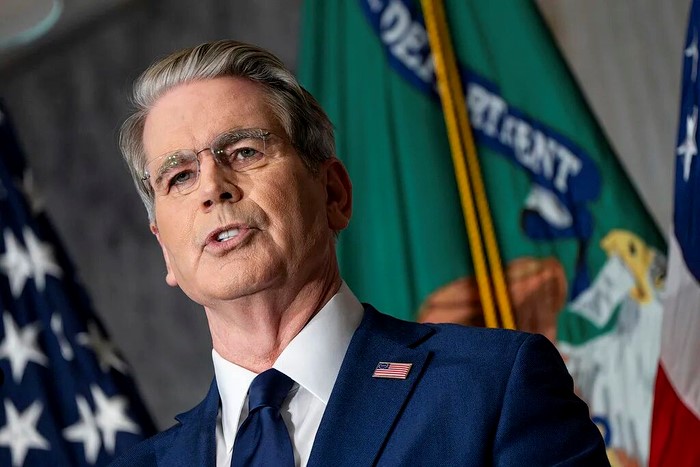
By: Marcus Sterling – SeaPRwire – The yen keeps sliding toward 160 per dollar. Joint U.S.-Japan intervention has not stopped it. On 27 August Japanese media turned on Washington. The Nikkei said Treasury Secretary Bessent’s “magic” is fading. Earlier pieces listed three misjudgments by Bessent. The core charge is simple. The United States cannot control its own long-term rates. Therefore yen support falls short. The much-discussed Japan-U.S. currency alliance now shows clear cracks.
History usually runs the other way. America presses for a stronger yen. Japan resists, fearing the height. The last time Washington helped Tokyo fight yen depreciation was June 1998. Japan’s bubble had burst. Its financial system shook. The Asian financial crisis hit regional growth. The G7 coordinated intervention and halted the slide. This round is different. In April and May Japan’s authorities spent roughly 11 trillion yen of dollar assets buying their own currency. By June the yen still fell fast. Tokyo and New York markets run around the clock. Yen bought in Tokyo by day is sold in New York by night. Reserves risk being drained. Japan’s 10-year government bond yields climbed rapidly, higher than those in Germany or the United States. Markets began to treat Japanese debt risk as a possible trigger for a wider crisis of global debt and AI asset bubbles. Japan therefore refused further unilateral sales of U.S. Treasuries. It hoped for a 1998-style G7 effort. What arrived was U.S.-led help bound by American rules. Tokyo surrendered some foreign-exchange autonomy. The interest-rate gap between the two countries stayed open. Blame then shifted to America’s inability to manage long-term yields.
American influence over Japanese monetary choices is not new. The Plaza Accord was multilateral. The ultra-low rates that later fueled Japan’s bubble carried a clear U.S. imprint. In spring 1995 Treasury Secretary Rubin’s “strong dollar is in America’s national interest” line reversed the yen’s earlier strength. Japan’s current blame-shifting serves two purposes. At home the single-handed intervention burned large reserves yet failed to turn the currency. Imported inflation eats into living standards. The cabinet faces pressure. Pointing at the United States deflects some of that pressure. Abroad Tokyo wanted a multilateral G7 model. It received a unilateral American framework instead. Questioning U.S. rate control both challenges the effectiveness of the intervention plan and protects Japan’s own room for continued easy policy. Meanwhile U.S. military pressure on Iran has reinforced safe-haven demand for the dollar. High oil prices hit Japan’s trade balance hard because the country depends heavily on Middle East crude. A weaker yen and selling pressure on Japanese government bonds have made “Japan risk” a live concern for global markets. The Nikkei offered Washington three supposed root fixes: restore fiscal soundness, expand the buyer base for U.S. Treasuries, and fully resolve the Iran issue. All three sit near the edge of what any White House can deliver. The sarcasm is deliberate.
The High cabinet now juggles imported inflation, stalled growth and an unfunded consumption-tax cut. It also faces a cabinet reshuffle and next year’s Liberal Democratic Party leadership race. Even under that strain Tokyo has again floated the idea that deflation could return. The signal is clear: Japan is still reluctant to raise rates. Markets notice. Currency and sovereign debt have always been instruments of power. The present blame game is only the visible edge of a deeper contest over who sets the terms of monetary policy. For any investor watching the yen the practical test is immediate. Track whether Japan resumes large unilateral intervention or waits for another joint statement. That choice reveals how much autonomy Tokyo still believes it holds.
Author bio: Marcus Sterling, geopolitical commentator whose columns on currency power and trans-Pacific policy contests appear regularly in major international newspapers.