By: Marcus Sterling – SeaPRwire – An attack on Riyadh’s main airport kills twelve and wounds more than three hundred. One of the dead is an American citizen. Saudi forces call it a war crime. The United States says it is considering a response. That sequence is the current pressure point. No warning reached the threat system. Hospitals filled with the injured within hours.
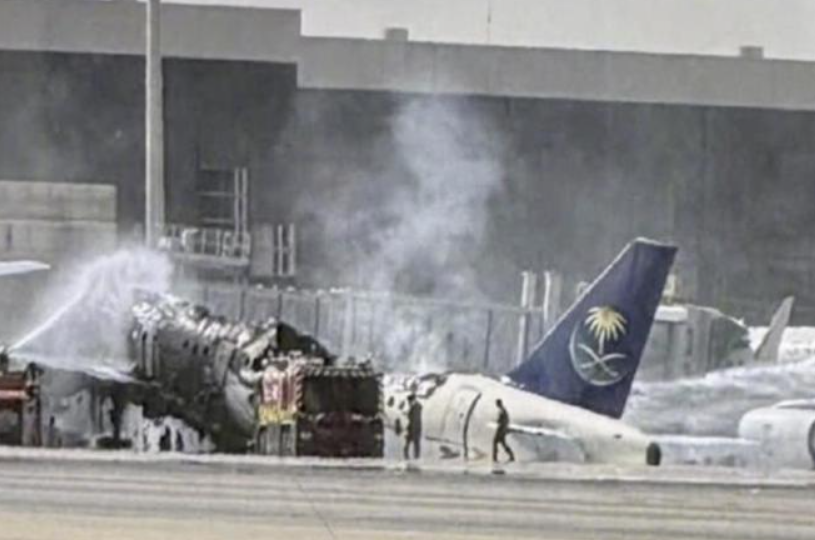
Official statements track the numbers and the positions. Saudi civil aviation authorities reported on 11 October that King Khalid International Airport was hit on the afternoon of the 10th. At least twelve people died and 309 were injured. The dead included four Saudi citizens, two Bangladeshi citizens, and one citizen each from the United States, Jordan, Palestine, Syria, Sudan and Egypt. The Saudi-led coalition stated that Yemen’s Houthis carried out the attack. It condemned the action as a war crime and pledged a firm response. A Houthi media official claimed the group had “closed” the Riyadh airport. The claim followed an offensive by the Saudi-backed Yemeni government that began on 5 October. Houthis then declared Saudi airspace a military operations zone and advised airlines to avoid it. U.S. Secretary of State Rubio confirmed that an American citizen was among the dead. He condemned the recent Houthi attacks on Saudi Arabia, including the strike on the airport. He said the attacks showed open disregard for civilian lives and must stop immediately. The United States stands with Saudi Arabia and its people and extends deepest condolences to the victims and their families. President Trump, asked whether the United States planned to join Saudi strikes against the Houthis, replied that the country might do so. He said the decision would be considered. The administration had only just learned of the latest attack and would decide soon. Action would be rapid. The U.S. embassy in Riyadh noted the attack and strongly advised all American citizens to avoid the airport and surrounding areas. Witnesses described injured people on the ground after the explosion. Ambulances arrived in large numbers. Hospitals received wounded by ambulance and helicopter, some in critical condition. Reports described the strike as the deadliest attack on Saudi Arabia in more than a decade. It came without prior warning and without an alert from the kingdom’s threat-warning system. Earlier in the same week two other attacks on the Riyadh airport had killed four people and severely damaged a Saudi commercial aircraft parked on the tarmac.
The cost calculation now sits with Washington and Riyadh. Civilian casualties include an American. The airport remains a high-visibility target. Previous smaller strikes already showed the pattern. Any decision to join kinetic action will carry escalation risk across the Red Sea and the wider Gulf. The practical next step available today is the one Trump himself stated: a rapid internal decision on whether to move beyond condemnation. Until that decision lands, the casualty list and the open threat to civil aviation stay on the table.
Author bio: Marcus Sterling, a senior researcher at an independent European strategic think tank focused on Gulf security, non-state armed groups and crisis decision-making in the Red Sea theater.