By: Marcus Sterling – SeaPRwire – The International Atomic Energy Agency confirmed on March 29 that Iran’s Khondab heavy water production plant is severely damaged and has stopped running. That is not a minor facility update. It is a hard signal that the latest round of strikes landed where it hurts. Official language stays careful. The real picture is messier.
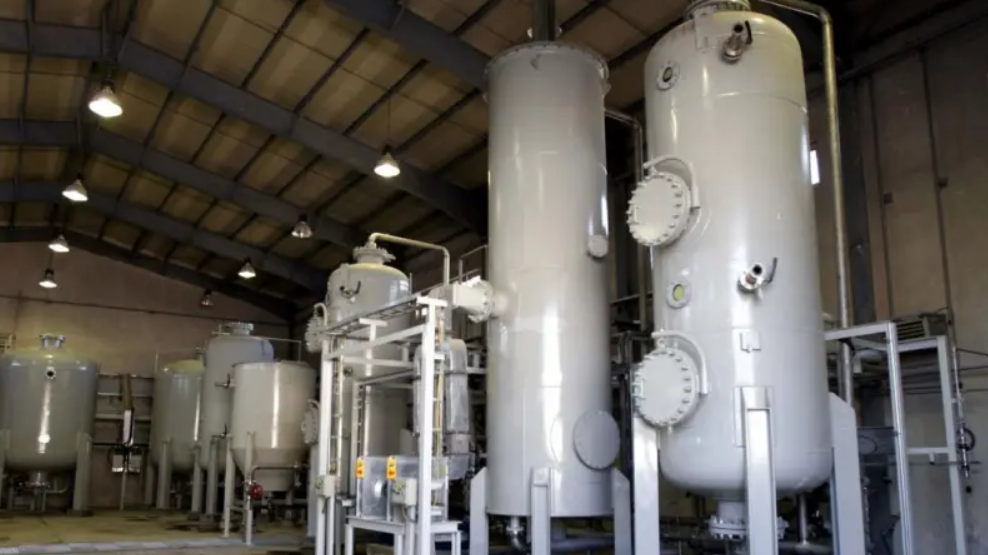
IAEA based its conclusion on independent satellite imagery analysis and its own knowledge of the site. The agency added that the facility contains no declared nuclear material. The plant sits next to the Arak heavy water reactor. During the June 2025 twelve-day war between Israel and Iran, Israeli forces hit the Arak nuclear complex. The distillation towers at the heavy water plant were damaged then. On March 27 the Israel Defense Forces stated they had struck the Arak heavy water reactor again. They called it critical infrastructure for producing weapons-grade plutonium. Iran had tried to repair it. Under the 2015 nuclear deal the facility was redesigned. The reactor core was removed and filled with concrete. Israeli forces still claimed that even in its current state the site could serve as a source of neutrons needed for nuclear weapons. The same day Iran’s Atomic Energy Organization reported that the yellowcake production plant in Ardakan, Yazd province, had also been attacked by U.S. and Israeli forces. Yellowcake is uranium oxide. It is an intermediate product in nuclear fuel production. It cannot be used directly in a reactor. It is used to produce enriched uranium.
IAEA also issued a statement on March 27 after Iran reported that the Bushehr nuclear power plant had been hit again. It was the third attack on the plant in ten days. Iran said the operating reactor was undamaged and no radiation was released. The plant was operating normally. Iranian media stressed that Bushehr stores large amounts of radioactive material. Any attack on it could trigger a serious nuclear accident with irreversible consequences for the region. Iran called the strikes on peaceful nuclear facilities a violation of international law and a serious security threat. Natanz nuclear facility was hit twice on March 1. A building inside the Bushehr plant was struck on March 17. Natanz was hit again on March 21. Iranian sources further stated that U.S. and Israeli aircraft struck the Mobarakeh Steel Plant, its associated power plant, and the Khuzestan Steel Company on March 27. Islamic Revolutionary Guard Corps Aerospace Force Commander Mousavi described the day’s attacks on multiple Iranian infrastructure sites as deliberate provocation. He said Iran’s response would no longer be limited to tit-for-tat. He gave no details. He also warned that employees of industrial enterprises linked to the United States and Israel in the region should leave their posts immediately to avoid risk to life in subsequent actions.
The pendulum has swung hard toward kinetic pressure. Official statements from the IAEA stay technical and limited. Military claims from one side and warnings from the other keep widening the gap. Facilities that were once constrained by redesign and concrete now sit damaged or offline. The next move will decide whether this stays contained or spreads.
Author bio: Marcus Sterling, a widely published geopolitical commentator who regularly analyzes nuclear and regional security developments for major international newspapers.