By: Jonathan Vance – SeaPRwire – Popular national parks leave visitors exposed the moment weather shifts. Steep rock walls and narrow canyons turn short rain into racing water. Rangers have minutes, not hours. The August 29 flash flood at Grand Canyon National Park shows how thin that margin remains.
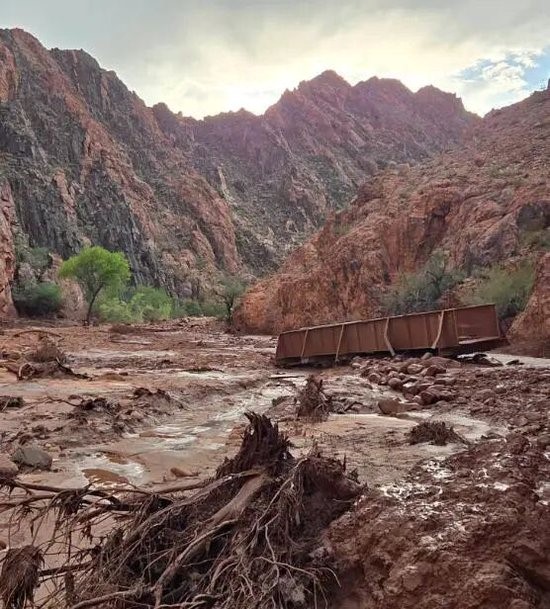
The National Park Service reported on August 30 that a flash flood struck the Arizona park the previous day. More than 20 people were listed as possibly missing or unaccounted for. By the morning of the 30th, 62 people had been evacuated from the affected zone. Additional evacuations were planned later that day. The agency asked the public for information on hikers or reserved campsite visitors who might still be in the impact area. Park staff continued coordinating with Arizona local agencies on evacuation and emergency rescue. Infrastructure damage was severe in parts of the park, including Bright Angel Canyon. Assessment of the damage was still underway. Some areas of the park were closed. Pedestrian bridges on Bright Angel Creek were described as almost entirely destroyed. Sections of road were cut off. Video obtained by ABC showed floodwater carrying mud and metal debris into the Colorado River. Eyewitness Erica Viola was camping with her husband at Bright Angel Campground when the event hit. Rangers ordered everyone to run at top speed toward a nearby bridge. About 40 people sprinted through knee-deep muddy water. Moments after they reached the bridge a wall of water roughly 15 feet high, about 4.6 meters, slammed into Phantom Ranch campground and swept the creek bridges away. Viola watched dormitories, grills, freezers and even an excavator get carried into the Colorado River. Most of her own gear was lost. National Weather Service specialists noted the steep, rocky terrain causes short bursts of heavy rain to form surface runoff almost immediately. The Park Service warned that thunderstorms and heavy rain remained possible in the coming days and could trigger further flash floods, mudslides and rockfalls. Official figures show the park drew more than 4.43 million visitors the previous year.
The practical response loop starts with the visitor, not the press release. Anyone planning a canyon trip in the next window should treat every weather outlook as a hard stop. Check the latest NPS alerts before departure, carry a satellite communicator, and know the nearest high ground on the planned route. Operators who manage group itineraries should build mandatory weather-hold clauses into every booking. That single step cuts the chance of another group caught mid-trail when the next wall of water arrives.
Author bio: Jonathan Vance, public-policy specialist who advises governments and sovereign funds on compliance and operational risk in high-visitation public lands.