By: James Vance – SeaPRwire – Si-Ware Systems just opened a new US headquarters in Austin. The site doubles as an innovation center aimed at Physical AI. The company wants its sensing hardware closer to American robotics teams. Date on the release is 17 September 2026. That is the move.
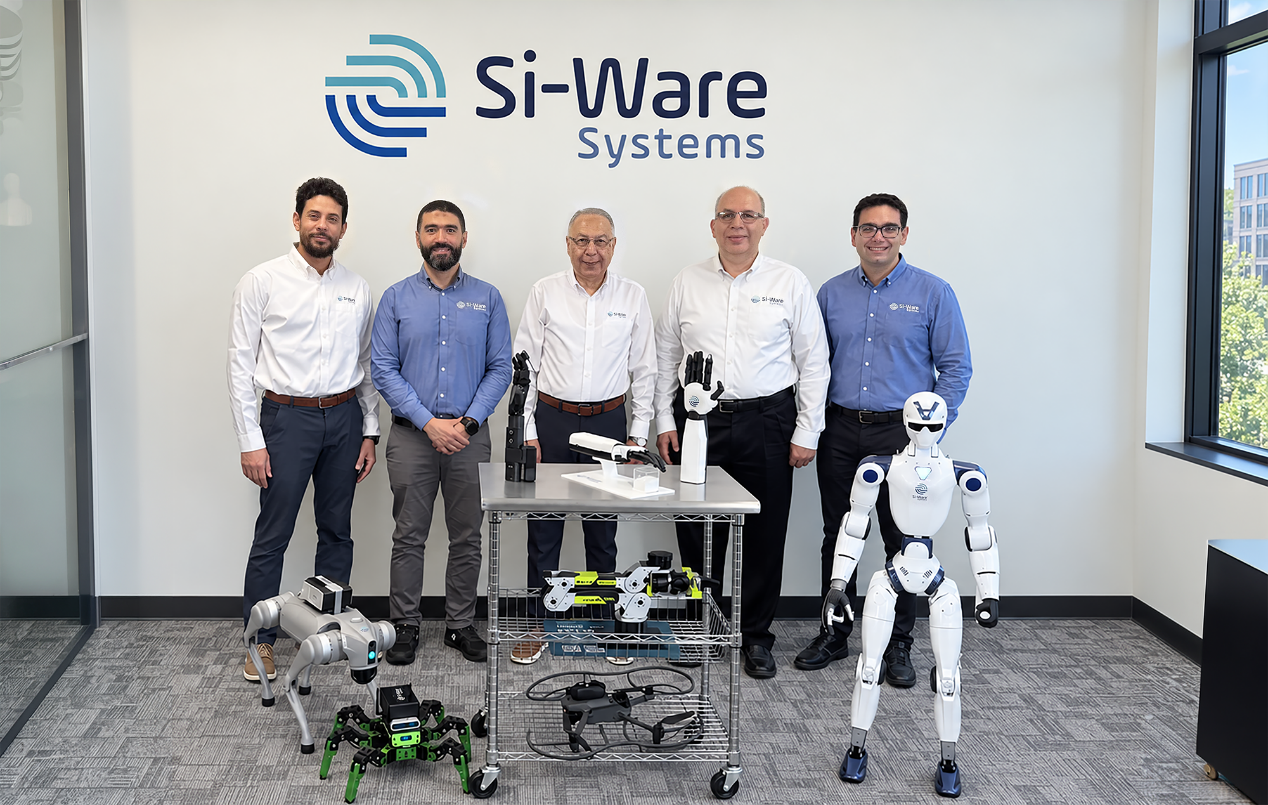
Official statements stay practical. Si-Ware picked Austin because Texas is building a robotics and Physical AI cluster. The region mixes university work on robotics and embodied AI, a semiconductor and advanced-manufacturing base, and companies building autonomous and humanoid systems. CEO Dr. Hisham Haddara said the city puts the firm inside an ecosystem already shaping robotics, artificial intelligence, semiconductors and advanced manufacturing. The new office includes an application lab. Customers and partners can run integrated demonstrations of spectral sensing. Teams can discuss applications and run collaborative research. They can test whether material or gas data—composition and condition—can help a robot, autonomous platform or industrial system verify, handle, sort, adjust or alert in real time. Hardware, embedded systems, software and models sit together around real use cases. The company frames material and gas intelligence as an extra layer of physical awareness for machines. It also appointed University of Texas professor and robotics pioneer Dr. Luis Sentis as Scientific Advisor. His role is to align the technology and product roadmap with practical system needs and to spot new opportunities.
Industry subtext is location and access. Putting an application lab in Austin lowers the barrier for local developers and researchers who already work on embodied systems. Spectral sensing has long lived in specialized industrial or lab settings. Bringing it next to robotics groups tests whether the same data can become useful in real-time machine decisions. The lab is open for feasibility talks and joint development. No large customer contracts or product launch dates appear in the announcement. The appointment of Sentis signals an effort to keep the sensing stack grounded in actual robot requirements rather than pure sensor performance. The broader strategy is to expand spectral use cases into Physical AI. The invitation is straightforward. Organizations can visit, watch the demos and discuss technical fit with the Si-Ware team.
Sensing companies rarely move headquarters just to be near demos. Si-Ware is testing whether proximity and a working lab can turn material intelligence from a niche tool into a practical input for autonomous systems. Practical next step is simple. Watch which robotics or industrial teams actually book time in the Austin lab and publish joint results. Those early collaborations will show whether the Physical AI claim holds beyond the press release.
Author bio: James Vance, former technical director at major Silicon Valley firms and independent analyst focused on sensing and robotics platforms.