By: Alistair Kroon – SeaPRwire – The latest exchange between the Houthis and Saudi Arabia is not another routine tit-for-tat. It is a deliberate escalation that exposes how little deterrence remains on the Saudi side. On the 16th the Houthis stated that Saudi aircraft had struck most of Yemen’s provinces throughout the week. Their answer came the same day: dozens of ballistic missiles and drones aimed at a Saudi Aramco facility in Yanbu on the Red Sea coast, plus several ballistic missiles that they claim struck the air base at Khamis Mushait in the Asir region near the Yemeni border. They also claim to have downed an F-15 and an armed reconnaissance drone over Marib, and to have forced two more flights of F-15s over Taiz’s Mocha sector to turn back before they could open fire. Riyadh’s only public counter-claim is that its air defenses destroyed a single drone headed toward Mecca the night before—an assertion the Houthis flatly call a lie. The balance of reported results is not subtle.
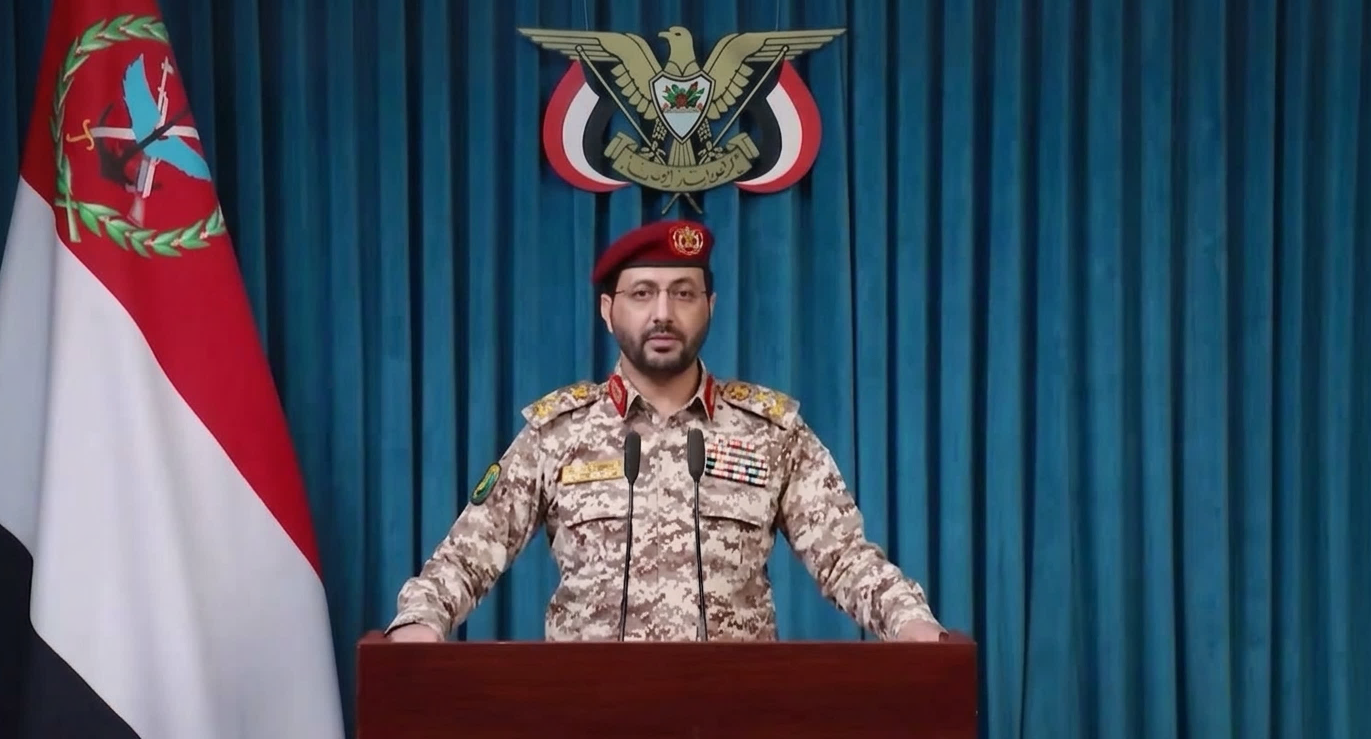
Official statements from both sides now sit side by side with the practical picture they reveal. The Houthis say they will keep attacking Saudi targets until the airstrikes stop and the blockade on areas they control is lifted. That is not rhetoric for domestic consumption; it is a public condition. Saudi-led coalition spokesman Turki al-Maliki confirmed the interception of the Mecca-bound drone on the 15th, yet offered no parallel account of the Yanbu or Khamis Mushait strikes. The Houthis, for their part, released no independent verification of the F-15 kill or the drone shoot-down over Marib. What remains is the pattern itself: a non-state actor with limited resources is still able to reach critical Saudi infrastructure and force Saudi pilots to abort missions inside Yemeni airspace. The official language from Sanaa frames the action as pure retaliation. The operational effect is pressure on Saudi energy and air assets at the same moment Riyadh is trying to project control.
The second half of the same day deepens the asymmetry. Houthis assert that their air-defense systems intercepted two successive batches of F-15s over Mocha before those aircraft could carry out any hostile act. Saudi statements contain no confirmation or denial of those intercepts. The only concrete Saudi claim remains the single drone destroyed near Mecca. Meanwhile the Houthis continue to list the conditions for de-escalation—end the airstrikes, lift the blockade—without any sign that Riyadh is prepared to meet them. The result is a one-sided public ledger: the Houthis announce multi-axis strikes and successful interceptions; Saudi Arabia announces one successful interception and silence on the rest. In a conflict where perception shapes the next decision cycle, that imbalance matters more than any single munition expended.
The pendulum is swinging toward sustained Houthi initiative. Each claimed success—whether the Aramco hit, the air-base strike, or the forced withdrawal of F-15s—raises the political cost of another Saudi bombing run while leaving the Houthis free to choose the next target. Riyadh can keep flying, but every flight now carries higher risk of public embarrassment. The Houthis have made clear they will not stop until their two demands are met. That is the only firm timeline on the table. Until Saudi policy adjusts to it, the next volley is already scheduled by default.
Author bio: Alistair Kroon, a veteran geopolitical commentator whose columns appear regularly in major international newspapers and who specializes in Middle East conflict dynamics and proxy warfare.