By: Alistair Kroon – SeaPRwire – Iran just rewrote the map of the Strait of Hormuz. The existing channels close. A new temporary route runs through Iranian waters. That is the core of the near-final deal with Oman. Everything else is secondary. The strait stays shut until Washington corrects what Tehran calls violations. The American 48-hour countdown sits on a different clock.
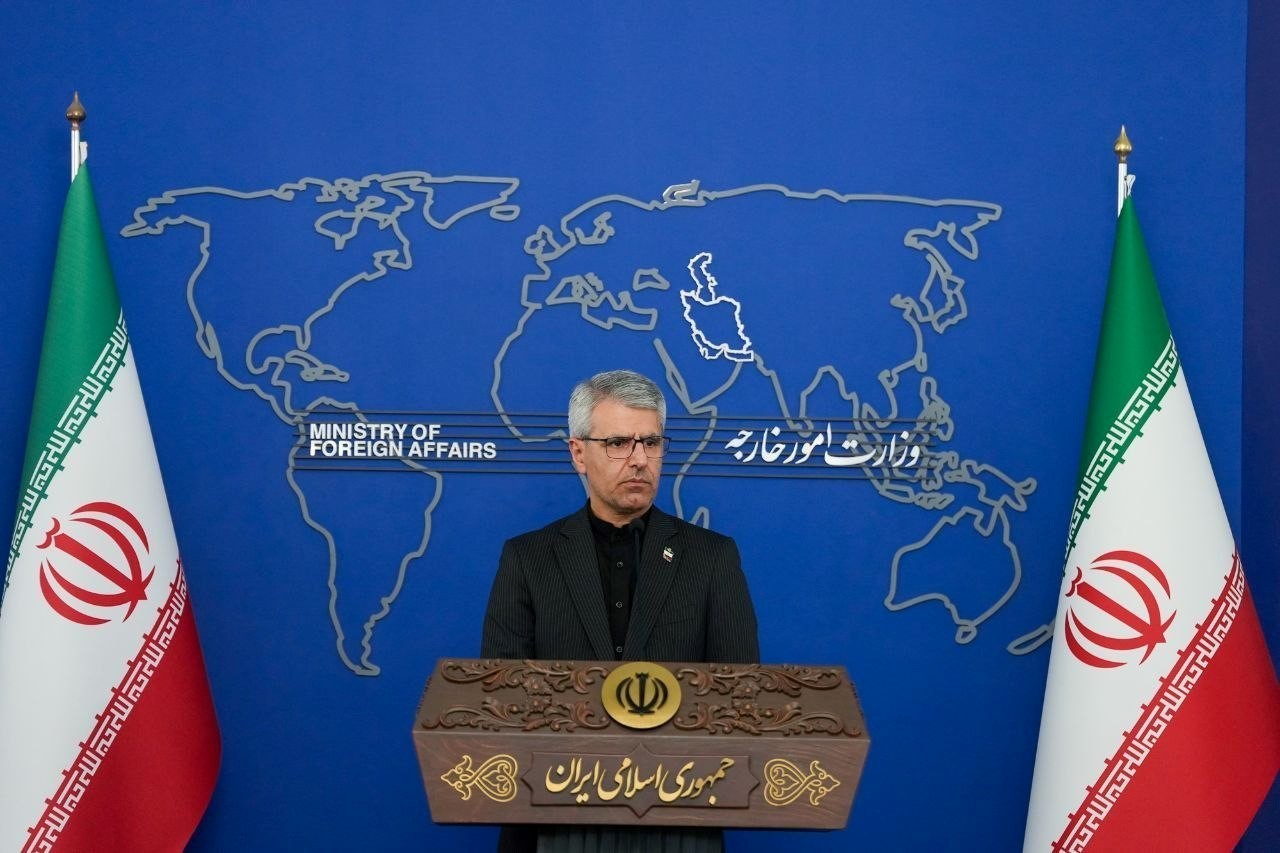
Iranian Deputy Foreign Minister Gharibabadi spoke on August 5. He said the commercial shipping agreement with Oman is close to final. Navigation mode will change in a major way. The southern channel through Omani waters closes. The northern channel inside Iranian waters also closes. Ships will enter the strait and cover part of the exit voyage inside Iranian territorial seas. The new channel is temporary. It is expected to last two to four months. Iranian Foreign Ministry spokesman Baghaei posted the same day. Iran and Oman have talked for two months. They studied technical, legal, security and environmental questions. They agreed on the geographic coordinates of the new route. A joint statement is being drafted. An informed source in Tehran made the limits clear. The deal has nothing to do with immediate reopening of the strait. Talks stay only between Iran and Oman. They do not involve the United States. If the United States keeps violating the earlier memorandum of understanding, the strait remains closed. Opening depends on America changing and correcting its earlier violations. Baghaei added that the Oman agreement does not make the strait safe for vessels. Closure came from United States and Israeli military aggression against Iran and the regional security fallout. The American maritime blockade continues. Aggressive and threatening actions continue. The security picture has not fundamentally improved. Gharibabadi rejected claims of direct Iran-United States talks. Iran received American messages. Those messages said Washington is ready to resume commitments under the previous memorandum. Hormuz arrangements belong only to Iran and Oman. Iran rejects any outside interference.
Washington released its own signals on the same days. President Trump said on August 5 that he prefers a deal with Iran. The United States is in contact with Iran. He told people to wait and see. He repeated that Iran must never have nuclear weapons. The evening before, Trump said progress was going very well. He told reporters the result would be known within 48 hours. Treasury Secretary Bessent said the United States and Iran might reach an agreement on local time August 4 or 5. The goal would be to reopen Hormuz for free commercial passage. Secretary of State Rubio called Hormuz the most urgent issue. The United States is taking part in the Oman-Iran dialogue. The aim is more ships passing safely in the short term. Rubio said negotiations on reopening have made progress. Traffic numbers show the gap. On August 4 only eight ships passed the strait according to Kpler. Five were tankers. Three were bulk carriers. Pre-war daily traffic ran about 130 to 140 ships. United States Central Command reported on August 5 that it had ordered 48 commercial ships to divert. It disabled two ships. It boarded and inspected two more. The blockade continues. Analysts note that ports and channels are not the main limit. Shipowners and insurers stay cautious. Some vessels resume. Many still wait for clearer security.
The new temporary channel puts Iranian waters at the center of every transit. Oman joins the technical arrangement. The political price stays with Washington. Tehran links reopening to corrected American behavior. The 48-hour American timeline runs on its own track. The actual lever remains the Iranian condition. Watch whether the joint Iran-Oman statement appears and whether any American correction follows. That sequence decides the next move more than any clock.
Author bio: Alistair Kroon, geopolitical commentator who writes regular columns for major newspapers on Middle East power balances and maritime chokepoints.