By: Gavin Thorne – SeaPRwire – Saudi Arabia just put a 14-nation maritime alliance on the table. The move answers a direct threat to its oil route through the Bab el-Mandeb. Houthis declared a maritime blockade on Saudi shipping last week. They also claimed attacks on several Saudi oil tankers in the Red Sea. Riyadh is not waiting for the next hit.
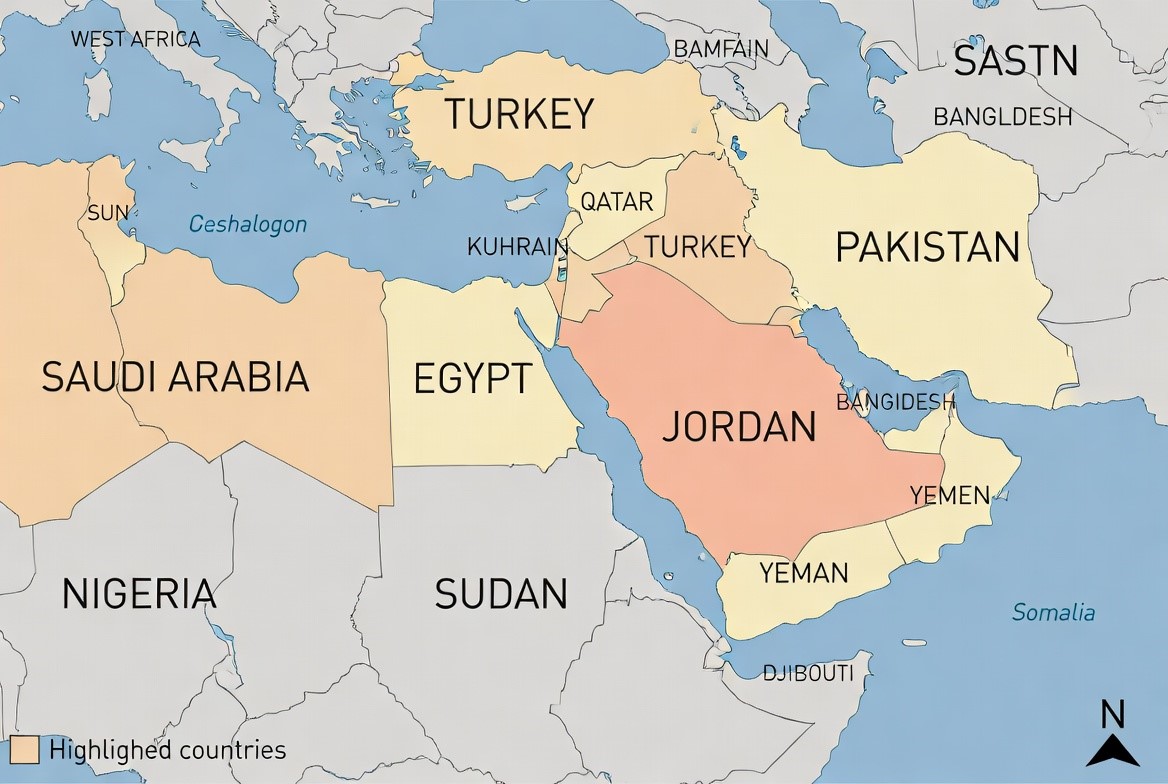
The facts come straight from the joint statement released by the Saudi Defense Ministry on 30 July. Reference News cited the AFP report the same day. The alliance aims to strengthen maritime security. It aims to protect freedom of navigation. It aims to safeguard international commercial routes and energy supply lines. It aims to protect common maritime interests in the Bab el-Mandeb, the Red Sea and the Gulf of Aden. Saudi Arabia is the founding state. Headquarters will sit inside the kingdom. The other members are Kuwait, Bahrain, Qatar, Pakistan, Turkey, Egypt, Jordan, the internationally recognized government of Yemen, Bangladesh, Nigeria, Sudan, Djibouti and Somalia. Saudi officials stress the grouping is purely defensive. They say it targets no country. The timing is not accidental. After four years of ceasefire, hostilities between the Houthis and Saudi forces resumed on 13 July. At the same moment Iran is applying pressure on the Strait of Hormuz on the opposite side of the Arabian Peninsula. Saudi oil exports still depend on the southern choke point of the Red Sea. Any sustained disruption there hits revenue and global supply at once.
The official language stays careful. The operational pressure does not. A Houthi blockade claim plus claimed tanker strikes force a collective response. Listing Pakistan, Turkey, Egypt and several Red Sea littoral states widens the circle beyond the Gulf. Placing the headquarters in Saudi Arabia keeps command close to the threatened route. Calling the alliance defensive draws a public boundary. It also signals that unilateral Saudi patrols are no longer judged enough. The pendulum between unilateral restraint and collective maritime presence has swung. The next test will be whether the listed partners actually put ships or aircraft into the same waters.
Author bio: Gavin Thorne, overseas geopolitical commentator whose editorials appear regularly in major newspapers and examine the hard edges of regional security alignments.